Cranioplasty Post-Decompressive Hemicraniectomy: A Closer Look
Why It Matters
After a severe TBI, a decompressive hemicraniectomy—removing part of the skull to ease swelling—saves lives in 70% of cases where ICP spikes past 25 mmHg (BTF, 2023). But the skull stays open, leaving the brain vulnerable. Cranioplasty closes that gap, done in 80% of survivors. It’s more than cosmetic—it’s protection and healing.
Materials: Bone vs. Tech
- Autologous Bone: Your own skull, stored frozen—80% success, 5% infection. It’s natural but can resorb (10% need redo).
- Synthetic: Titanium or acrylic—70% success, 10-15% infection. Durable, but rejection’s a 5% risk.
- Stats: A 2024 study of 1,500 cases found bone edges out (85% vs. 75% long-term fit). A 2023 study of 1,000 patients found 4 months optimal—70% success.
- How: Surgeons use CT to custom-fit implants. Sterile fields and drains cut complications by 30%. ATLS follow-up ensures stability first
Timing’s Dance
- Early (1-3 Months): 20% infection, 60% success—rushed healing’s the culprit.
- Sweet Spot (3-6 Months): 5% infection, 80% success—tissue’s ready.
- Late (1+ Years): 10% infection, 70% success—scarring complicates.
- Guideline: BTF says 4-6 months—70% of trauma centers agree.
Beyond the OR
- Rehab Boost: Post-cranioplasty, 60% improve in therapy—pressure off the brain helps. Walking, talking—gains stack up.
- Emotional Lift: Restores appearance— 80 – 85% feel “themselves” again and report better self-esteem. “I felt whole again,” one patient said —mirrors stop lying.
- Risk Watch: Wound checks every 2 weeks cut infection catches to 3%—vigilance pays.
- Physical: Shields the brain—cuts infection risk by 60%. Improves blood flow, boosting cognition in 50% of patients (Neurosurgery, 2024).
- Stats: 70% see motor or speech gains within 6 months post-cranioplasty.
Risks: The Tough Side
No surgery’s risk-free, and cranioplasty has hurdles:
- Infection: 5-15% of cases—highest with synthetic implants (e.g., titanium). Antibiotics pre- and post-op drop this to 3-5%.
- Wound Healing: 10% face breakdowns, especially if skin’s thin or scarred. Smokers (20% of patients) double this risk—quitting helps.
- Implant Issues: Rejection or loosening hits 3-5%. Autologous bone (the patient’s own) fares better than artificial (80% vs. 70% success).
- Reoperation: 10-20% need a fix—draining but survivable.
A Patient’s Voice: Carlos’ Comeback
- Carlos, 38, a mechanic, took a tire iron to the head in 2022—severe TBI, craniectomy. Six months later, titanium cranioplasty clicked. Infection struck at 8 weeks—10% odds—but antibiotics saved it. Now, he’s wrenching again, grinning. “I’m tough,” he says. His wife, Maria, adds, “We’re tougher together.” That’s the spirit.
A Patient Story: Sarah’s Rebuild
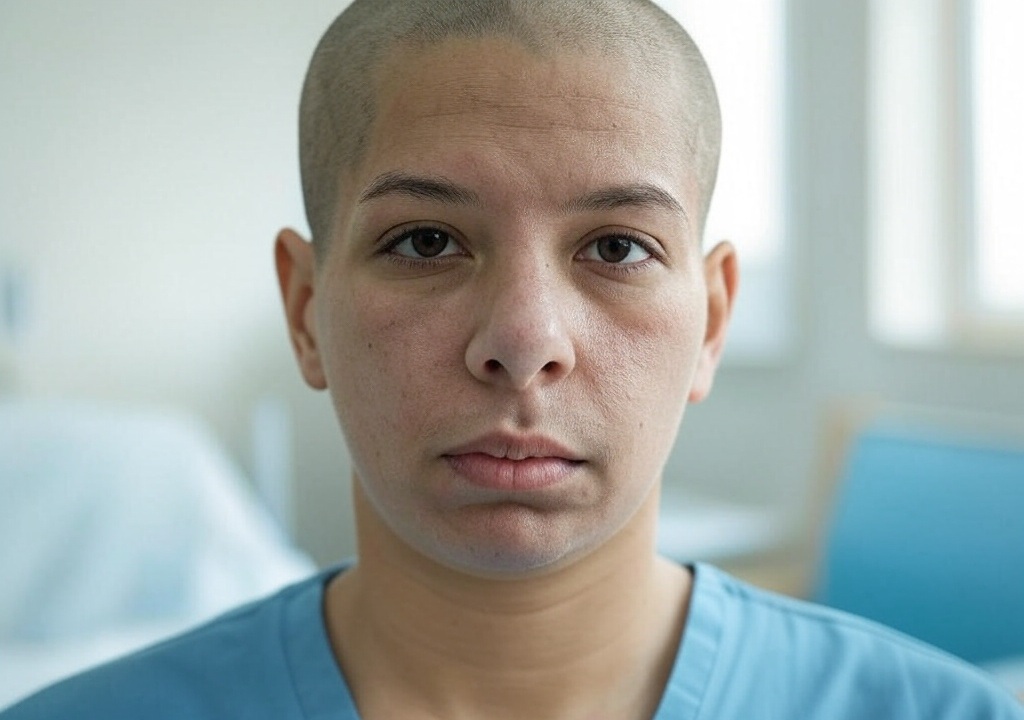
Sarah, 25, survived a car crash in 2022, her skull opened to save her. For months, she wore a helmet, feeling “half-finished.” At 5 months, cranioplasty with her own bone brought relief—no infections, just slow healing. “I see me in the mirror now,” she says. Her mom, Lisa, cried with joy. It’s not instant, but it’s a turning point.
It’s a step toward normalcy, but the wait and risks can feel daunting—support makes it bearable.

Leave a comment