By EBMOmniScope
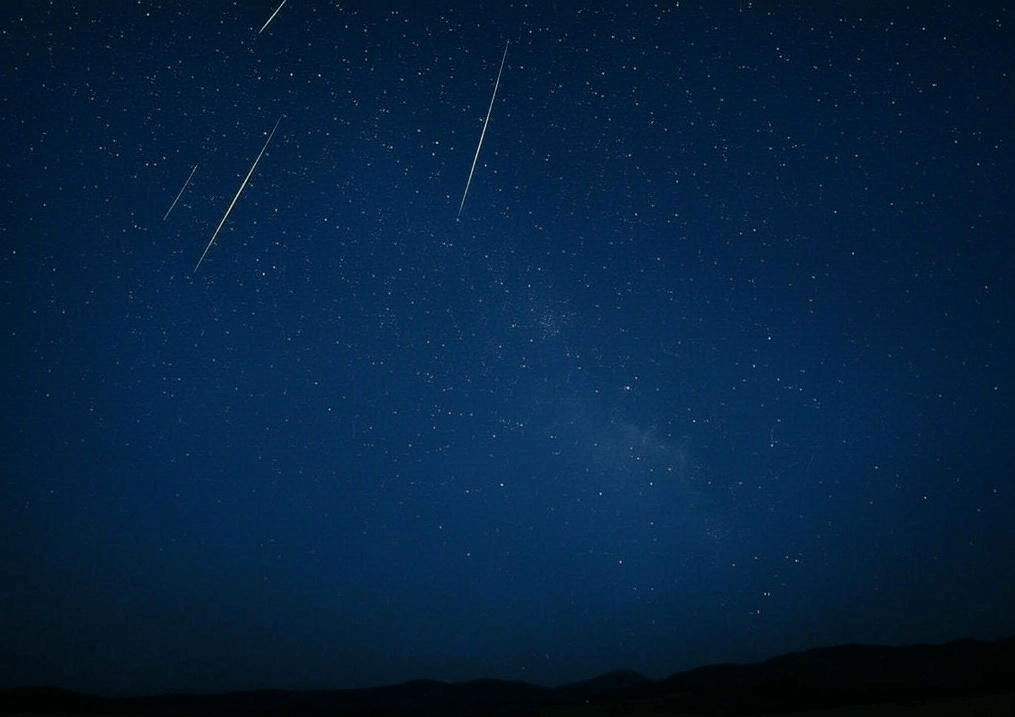
Meteor showers—sky fireworks, rocks raining from space. Most just dazzle, but some rewrite history. From panic to prophecy, these starry falls shook people up. What happened? How’d they shift lives? Let’s chase the tales of when the stars fell and left more than dust.
The Leonids, 1833
November 12, 1833—North America lit up. Meteors streaked at 100,000 an hour—sky on fire. A 2019 study says it was comet Tempel-Tuttle’s debris, peaking big. Folks thought the world was ending—prayers, riots. Slaves in the South saw freedom’s sign; it sparked escapes. Science woke up too—meteor showers got real.
The Tunguska Blast, 1908
June 30, 1908—Siberia boomed. A meteor exploded mid-air, flattening 800 square miles of forest. No crater, just chaos—20 megatons, per a 2020 estimate. Locals thought gods fought; scientists still debate—comet or asteroid? It’s the blast that rewrote “boom.”
The Chelyabinsk Strike, 2013
February 15, 2013—Russia’s sky cracked. A 20-meter rock blew up, shattering windows, injuring 1,500. Dashcams caught it—viral proof. A 2021 study says it was a sneaky space chunk, 500 kilotons strong. It scared folks into tracking near-Earth rocks harder.
Starry Shifts
When stars fall, they don’t just shine—they shake. Next shower you catch, wonder: will this one rewrite your sky?

Leave a comment