
Subscribe to continue reading
Become a paid subscriber to get access to the rest of this post and other exclusive content.
Become a paid subscriber to get access to the rest of this post and other exclusive content.
By EBMOmniScope
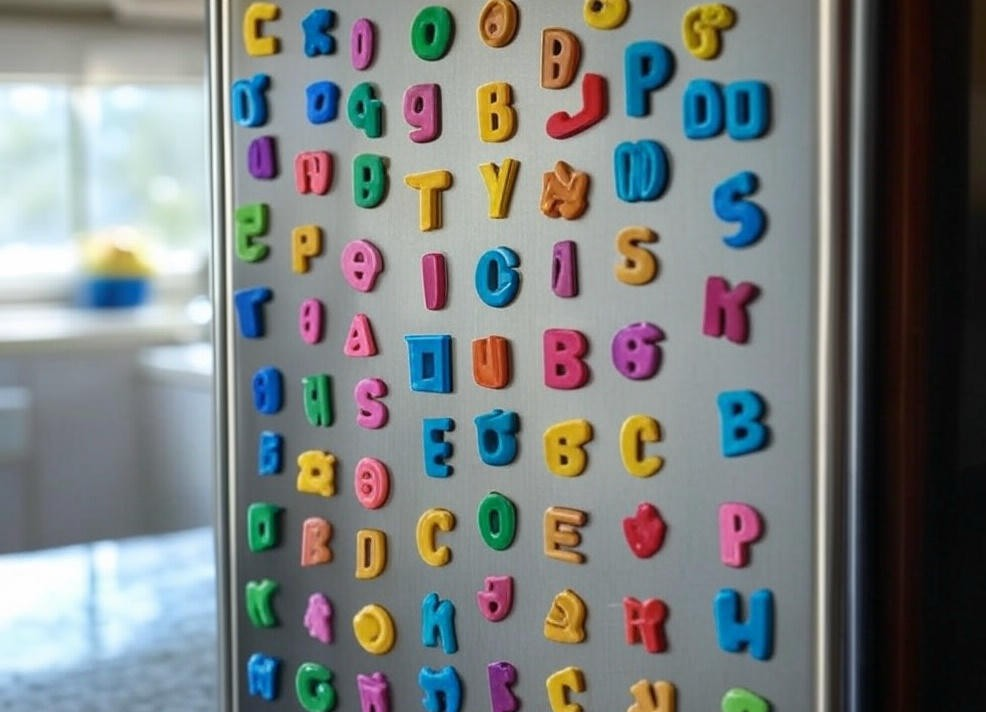
Magnets. They stick to your fridge, spin your hard drive, and make compass needles dance. Simple, right? Nope—they’re tricksters. They pull, push, and power stuff in ways that feel like magic but are pure science. How do they mess with us? What’s their secret? Let’s stick to the mischief of magnets and see why they’re so amazing.
The Force Field
Magnets have poles—north, south. Like pulls, opposites grab. It’s a field— invisible lines of Iron filings show it—sprinkle some near a magnet, and they line up. A 2019 study says it’s electrons spinning in sync, making tiny forces. Two poles, endless fun.
The Sneaky Tricks
Magnets levitate trains—maglevs hit 300 mph, no wheels. They zap tumors—MRI machines map your insides with magnetic pulses. A 2020 test floated a frog with crazy-strong fields—safe, but wild. They’re not toys—they’re wizards.
Everyday Magic
Fridge magnets? Cute, but old news—China’s been at it since 200 BCE. Today, they run motors, speakers, even your phone’s compass. A 2021 paper says Earth’s a giant magnet—its core spins the field that guides us.
Magnet Mischief
Magnets trick and treat—pulling stunts from science labs to your kitchen. Next time one snaps shut, grin. It’s a force with flair.

By EBMOmniScope
Fish farm? Not humans—fish. Down in the deep, some species don’t just swim and eat—they grow their meals. We’re talking underwater gardeners, tending algae or critters like pros. How do they do it with fins? Why bother? Let’s dive in and meet the fish that farm—nature’s sneakiest cultivators.
The Damselfish Dynasty
Meet the damselfish—small, feisty, reef-dwellers. Some, like the steely blue ones in the Pacific, farm algae. They pick a coral patch, chase off nibblers, and “weed” it—nipping bad algae, leaving the tasty stuff. A 2020 study found they boost their crop’s growth 30%—more food, less work. They even pee on it—nitrogen fertilizer, fish-style.
It’s territorial too. They’ll brawl with bigger fish to guard their plot. A 2019 paper clocked them defending 24/7—farmers with attitude.
The Jawfish Plot
Jawfish farm differently. These little diggers burrow in sand, piling rocks at the door. Why? Algae grows there—snack central. A 2021 study says they shift stones to catch light, feeding their green buffet. It’s low-key, but smart—home and pantry in one.
Why Farm?
Fish don’t stumble into this—it’s survival. Farming locks in food when currents slack. A 2020 report says damselfish farms thrive in overfished reefs—others starve, they feast. It’s not instinct; it’s strategy, passed down generations.
The Fish Future
These underwater gardeners don’t plow or plant—they adapt. Next time you snorkel, spot a damselfish. It’s not just swimming—it’s running a tiny, finned farm.

Subscribe to get access to the rest of this post and other subscriber-only content.
Become a paid subscriber to get access to the rest of this post and other exclusive content.
By EBMOmniScope
Static. It zaps your fingers, lifts your hair, and turns winter into a shock fest. One minute you’re fine, the next your sweater’s a crackling menace. What’s behind this electric mischief? Why does it love your hair—and hate your calm? Let’s spark up the science and uncover the hair-raising truth of static shocks.
The Charge Game
Static’s electricity without a wire. Rub a balloon on your head—hair stands up. Why? Electrons jump. Your hair’s neutral—equal positive and negative charges—but friction (rubbing) steals electrons from it, leaving it positive. The balloon’s negative now. Opposites attract, so hair reaches for the balloon. A 2019 study says dry hair’s a champ at this—less water, more charge.
Same deal with shocks. Shuffle on carpet, electrons pile on you. Touch a doorknob—zap!—they leap off, balancing things out. It’s 5,000 volts sometimes, but tiny current, so you’re fine—just jumpy.
Hair’s Big Moment
Why hair? It’s light and dry. Each strand charges up, repels its buddies (like charges push apart), and dances wild. A 2020 experiment clocked it: humidity drops, static spikes—winter’s prime time. Thick coats and hats? More rubbing, more chaos. Your head’s a static stage.
Clothes cling too—synthetic fibers hoard electrons, sticking to you. It’s not love; it’s physics.
Shock Stories
Static’s sneaky. Comb your hair, spark a light switch—ow! It’s worse in dry air—water grounds charge, but cold months suck moisture out. A 2018 paper says planes dodge static storms—lightning’s big brother. Even gas pumps warn you—static can ignite fumes (rare, but yikes).
It’s useful too. Printers use static to stick toner; air filters trap dust with it. Your zap’s a mini superpower.
Taming the Beast
Static’s a prankster—charges build, hair flies, shocks sting. Next time it strikes, laugh. It’s just electrons partying, and you’re the VIP.
By EBMOmniScope
Bubbles. They float, they pop, they shimmer—simple, right? Wrong. These fragile spheres are nature’s oddballs, bending rules and showing up everywhere, from soap suds to the cosmos. Why are they round? How do they pull off that rainbow trick? Let’s blow into the bubble universe and see why they’re the weirdest shape-shifters around.
The Sphere Secret
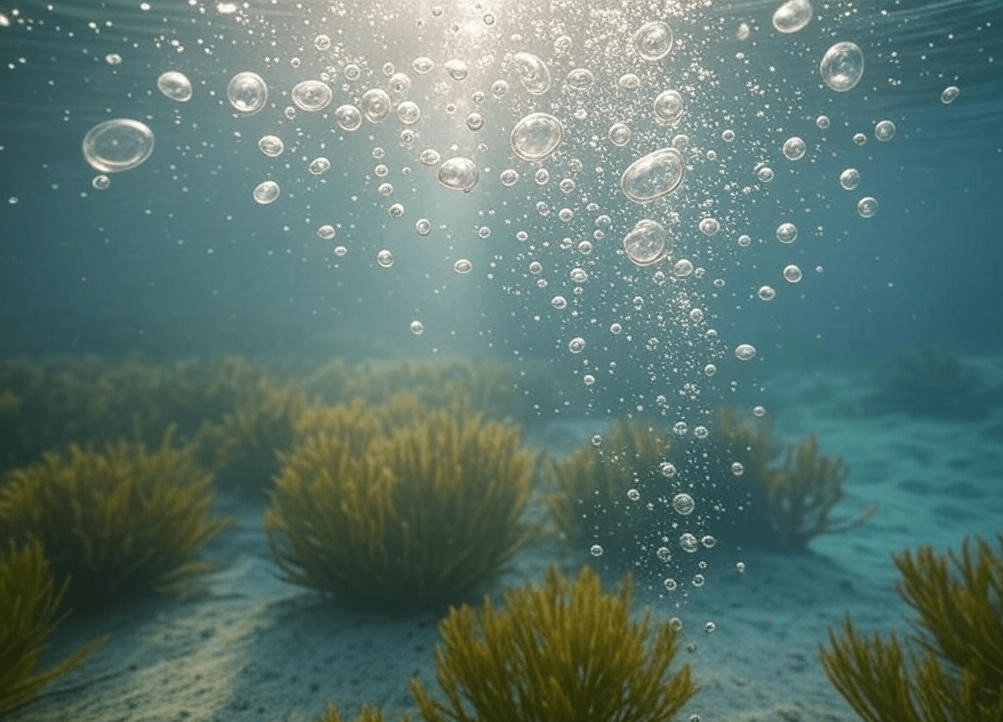
Bubbles love circles—or spheres, really. Drop soap in water, blow, and boom—perfect orbs. Why? Surface tension. Water molecules stick together, pulling tight like a team huddle. Add soap, and it weakens the grip just enough to stretch into a film. That film wants the smallest shape possible—less surface, less energy—and math says that’s a sphere. A 2018 study clocked it: spheres win every time, from 1-millimeter suds to giant ones you can stand in.
But they shift. Squish two together, and they flatten where they touch—hexagons in foam, like bee hives. It’s still tension, just juggling space. Bubbles don’t mess around—they’re geometry nerds.
The Rainbow Dance
Ever seen a bubble glow pink, green, blue? That’s light playing tricks. Bubble walls are thin—hundreds of nanometers—and light waves bounce off both sides. Some waves sync, some cancel, splitting white light into colors. A 2020 physics demo showed it shifts as the wall thins—evaporation’s the artist, painting swirls till it pops. It’s not magic—it’s interference, but it’s dazzling.
Bubbles Everywhere
Nature’s obsessed. Sea foam? Bubbles from waves and algae. Lava cools into bubble-pocked basalt—volcano breath trapped. Even your soda’s fizz is tiny CO2 spheres escaping. A 2019 study found plankton blow bubbles to float—life hacks from the deep. Up in space, some theorize the universe itself bubbled out of the Big Bang—cosmic suds still expanding.
They’re tough too. Freeze a bubble below -20°C, and it’s glass—strong till it shatters. Kids don’t know they’re holding nature’s wildest shape.
The Bubble Life Bubbles shift, shine, and surprise—from your sink to the stars. Next time you blow one, watch it. It’s not just air—it’s a tiny universe, flexing rules and popping with secrets.

By EBMOmniScope
Silence. No hum, no chatter—just nothing. It’s rare—cars, birds, your fridge always buzz. But what if it’s truly quiet? Your brain doesn’t chill—it flips out, then rewires. From phantom sounds to deep calm, silence is a trip. What’s it doing up there? Let’s hush the world and hear what happens when the noise stops.
The Quiet Hunt
Real silence is tough. Even forests hum—wind, bugs, leaves. An anechoic chamber—soundproof, echo-free—is the closest. Microsoft’s got one: -20 decibels, quieter than quiet. People last minutes before begging out. Why? Your brain hates the void.
The Noise Within
In silence, your head gets loud. A 2019 study says your auditory cortex—ear HQ—cranks up, hunting sound. No input? It invents some. Tinnitus kicks in—ringing, buzzing—your brain’s DIY soundtrack. In chambers, folks hear their heartbeat, blood whooshing. A 2020 test clocked it: 10 minutes in, and you’re a walking drum.
The Calm Switch
But wait—silence heals too. A 2017 study gave mice quiet after noise—brain stress dropped fast. Humans? Two minutes of hush cuts cortisol, per 2021 research. It’s a reset—your amygdala, the panic button, chills. Monks knew it; meditation’s built on it. Silence isn’t empty—it’s a balm.
The Brain Rewire
Long quiet shifts you. A 2020 paper says it boosts the default mode network—your daydream zone. Creativity spikes; you solve stuff without trying. Too long, though, and it’s eerie—your brain craves chatter. Balance is key.
Silent Power
Silence isn’t nothing—it’s everything. It spooks, soothes, and sparks. Next time you find a quiet corner, lean in. Your brain’s talking, even when the world shuts up.
by EBMOmniScope
Born of a virgin, a miracle divine,
Immanuel, God with us, in flesh did He shine.
No seed of man, yet a babe in the womb,
By the Holy Ghost’s power, He broke nature’s tomb.
A prophecy fulfilled, Isaiah’s word came alive,
Like a star in the night, His birth did arrive.
O Jesus, the Word, God’s glory in clay,
You walked on the waves, made the tempest obey.
With a whisper, the sick rose, the demons did flee,
The dead heard Your voice, and their chains broke free.
Loaves multiplied swift, like a river’s cascade,
Your life, a loud symphony, no silence could fade.
What manner of man? cried the winds in their awe,
Master of all, with no blemish or flaw.
Your death was no theft, but a gift You bestowed,
A king who laid down what no mortal could owe.
“Into Your hands,” You cried, and the ghost You released,
Darkness draped earth, as the veil’s seams deceased.
The temple’s divide tore from heaven to sod,
A bridge to the Father, Your blood paved for God.
Resurrected by might, through the Spirit’s own fire,
You shattered death’s grip, raised the heavens higher.
No prophet’s plea needed, no hands laid to pray,
You rose by Your power, turned night into day.
Our hope is alive, for You live and You reign,
The Son of God proven, no shadow of stain.
Ascended on high, You defied earth’s firm grip,
Like a cloud’s gentle pull, heaven claimed its own ship.
No man ever soared as You rose to Your throne,
Yet Your promise resounds—You’ll return for Your own.
With saints in Your train, as the skies split apart,
The King of all kings, You’ll reign in each heart.
Your Name, O sweet Jesus, a scepter of might,
Above every title, it blazes with light.
At its sound, knees will bow, every tongue will confess,
In heaven, on earth, in the depths You possess.
Salvation’s sole gate, healing’s fountain, and sword,
In Your Name we stand, casting demons abroad.
You’re God in the flesh, the true radiance of grace,
The imprint of glory, the Father’s own face.
The Word that upholds every star in its flight,
You purged all our sins, then ascended Your height.
Blasphemy, they cried, yet their charge was Your crown,
Messiah, the Christ, You’ll never bow down.
O Jesus, eternal, our God and our King,
With worship we bow, with adoration we sing.
Your deity thunders, Your majesty roars,
Forever we’ll praise You, the Lord we adore.
From virgin’s pure womb to the throne of all skies,
You’re Jesus, divine, with the fire in Your eyes.

What topics do you like to discuss?
by EBMOmniScope
God’s love, like an ocean vast, engulfs the world in grace (John 3:16 KJVS),
His Son, a beacon bright, named Jesus, the path to trace (John 14:6 KJVS).
He is the way, a road unwinding, truth’s eternal flame,
Life’s breath, a metaphor of mercy, calling out your name.
Choose now, or shadows whisper, “Unworthy!” in disdain (Acts 13:46 KJVS),
Yet call His name, and salvation sings—a promise none can chain (Romans 10:13 KJVS).
Sins, red as crimson, scream their stain, but He, with love divine,
Whispers, “I’ll wash them white as wool, if your heart aligns with mine” (Isaiah 1:18-19 TPT).
His love’s a paradox profound, irrational, immense,
Defying science’s sterile scope, it shatters all pretense.
“Come, weary wanderer,” He hums, an oasis soft and sweet,
“My yoke is light, my heart is humble—rest at mercy’s seat” (Matthew 11:27-30 TPT).
He became sin, though sinless pure, to cloak us in His right (2 Corinthians 5:21 KJVS),
Nailed our debts to that rugged cross, where justice met its fight (Colossians 2:13-14 KJVS).
The cross, it creaks with crimson cost, where love and law collide,
One sacrifice, forever done, with God He sits beside (Hebrews 10:12 KJVS).
Scripture breathes with Spirit’s spark, God’s essence in each line (2 Timothy 3:16 TPT),
Words that buzz with life, like bees, in sacred, sweet design.
One Lord, one faith, one baptism binds (Ephesians 4:5 AMPC),
Deny the Son, and darkness grins—antichrist’s deceit unwinds (1 John 2:22-23 NLT).
Jesus, the name that roars salvation, the only key to grace (Acts 4:12 TPT),
Speak it bold, believe it deep—His righteousness embrace.
Heart and mouth in harmony hum, confessing Him as Lord,
Salvation’s gift, a climax clear, through faith’s unyielding sword.
Now is the hour, the only time, don’t dawdle till too late,
A second’s pause could seal your fate, a euphemism for your state.
With scarlet sins or weary soul, His cross still calls today,
Declare His name, let love’s loud clang redeem you—come, obey!
Declare His name, let love’s loud clang redeem you—come, obey! Declare His name, let love’s loud clang redeem you—come, obey!
