
Subscribe to continue reading
Become a paid subscriber to get access to the rest of this post and other exclusive content.
Become a paid subscriber to get access to the rest of this post and other exclusive content.
By EBMOmniScope
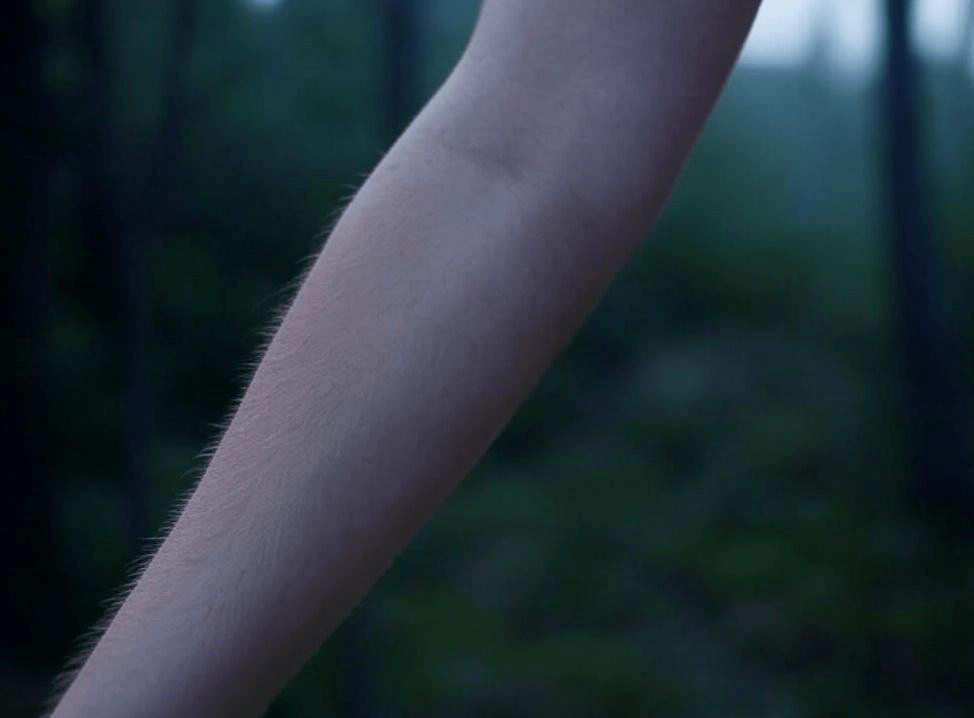
Static. It zaps your fingers, lifts your hair, and turns winter into a shock fest. One minute you’re fine, the next your sweater’s a crackling menace. What’s behind this electric mischief? Why does it love your hair—and hate your calm? Let’s spark up the science and uncover the hair-raising truth of static shocks.
The Charge Game
Static’s electricity without a wire. Rub a balloon on your head—hair stands up. Why? Electrons jump. Your hair’s neutral—equal positive and negative charges—but friction (rubbing) steals electrons from it, leaving it positive. The balloon’s negative now. Opposites attract, so hair reaches for the balloon. A 2019 study says dry hair’s a champ at this—less water, more charge.
Same deal with shocks. Shuffle on carpet, electrons pile on you. Touch a doorknob—zap!—they leap off, balancing things out. It’s 5,000 volts sometimes, but tiny current, so you’re fine—just jumpy.
Hair’s Big Moment
Why hair? It’s light and dry. Each strand charges up, repels its buddies (like charges push apart), and dances wild. A 2020 experiment clocked it: humidity drops, static spikes—winter’s prime time. Thick coats and hats? More rubbing, more chaos. Your head’s a static stage.
Clothes cling too—synthetic fibers hoard electrons, sticking to you. It’s not love; it’s physics.
Shock Stories
Static’s sneaky. Comb your hair, spark a light switch—ow! It’s worse in dry air—water grounds charge, but cold months suck moisture out. A 2018 paper says planes dodge static storms—lightning’s big brother. Even gas pumps warn you—static can ignite fumes (rare, but yikes).
It’s useful too. Printers use static to stick toner; air filters trap dust with it. Your zap’s a mini superpower.
Taming the Beast
Static’s a prankster—charges build, hair flies, shocks sting. Next time it strikes, laugh. It’s just electrons partying, and you’re the VIP.
By EBMOmniScope
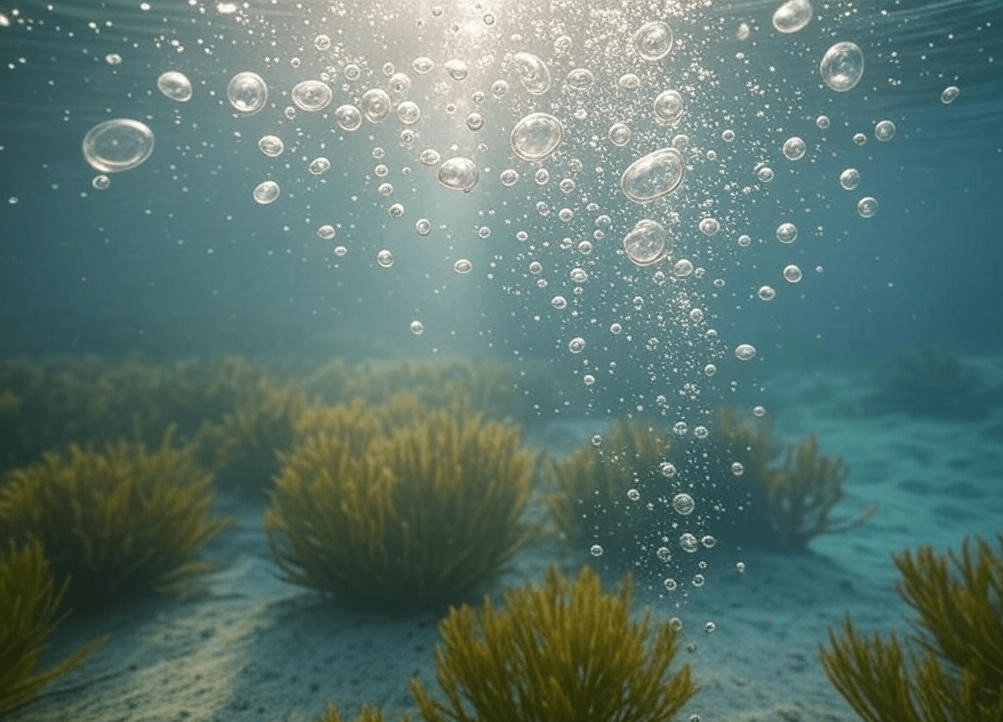
Bubbles. They float, they pop, they shimmer—simple, right? Wrong. These fragile spheres are nature’s oddballs, bending rules and showing up everywhere, from soap suds to the cosmos. Why are they round? How do they pull off that rainbow trick? Let’s blow into the bubble universe and see why they’re the weirdest shape-shifters around.
The Sphere Secret
Bubbles love circles—or spheres, really. Drop soap in water, blow, and boom—perfect orbs. Why? Surface tension. Water molecules stick together, pulling tight like a team huddle. Add soap, and it weakens the grip just enough to stretch into a film. That film wants the smallest shape possible—less surface, less energy—and math says that’s a sphere. A 2018 study clocked it: spheres win every time, from 1-millimeter suds to giant ones you can stand in.
But they shift. Squish two together, and they flatten where they touch—hexagons in foam, like bee hives. It’s still tension, just juggling space. Bubbles don’t mess around—they’re geometry nerds.
The Rainbow Dance
Ever seen a bubble glow pink, green, blue? That’s light playing tricks. Bubble walls are thin—hundreds of nanometers—and light waves bounce off both sides. Some waves sync, some cancel, splitting white light into colors. A 2020 physics demo showed it shifts as the wall thins—evaporation’s the artist, painting swirls till it pops. It’s not magic—it’s interference, but it’s dazzling.
Bubbles Everywhere
Nature’s obsessed. Sea foam? Bubbles from waves and algae. Lava cools into bubble-pocked basalt—volcano breath trapped. Even your soda’s fizz is tiny CO2 spheres escaping. A 2019 study found plankton blow bubbles to float—life hacks from the deep. Up in space, some theorize the universe itself bubbled out of the Big Bang—cosmic suds still expanding.
They’re tough too. Freeze a bubble below -20°C, and it’s glass—strong till it shatters. Kids don’t know they’re holding nature’s wildest shape.
The Bubble Life Bubbles shift, shine, and surprise—from your sink to the stars. Next time you blow one, watch it. It’s not just air—it’s a tiny universe, flexing rules and popping with secrets.
