
Subscribe to continue reading
Subscribe to get access to the rest of this post and other subscriber-only content.
Subscribe to get access to the rest of this post and other subscriber-only content.
By EBMOmniScope
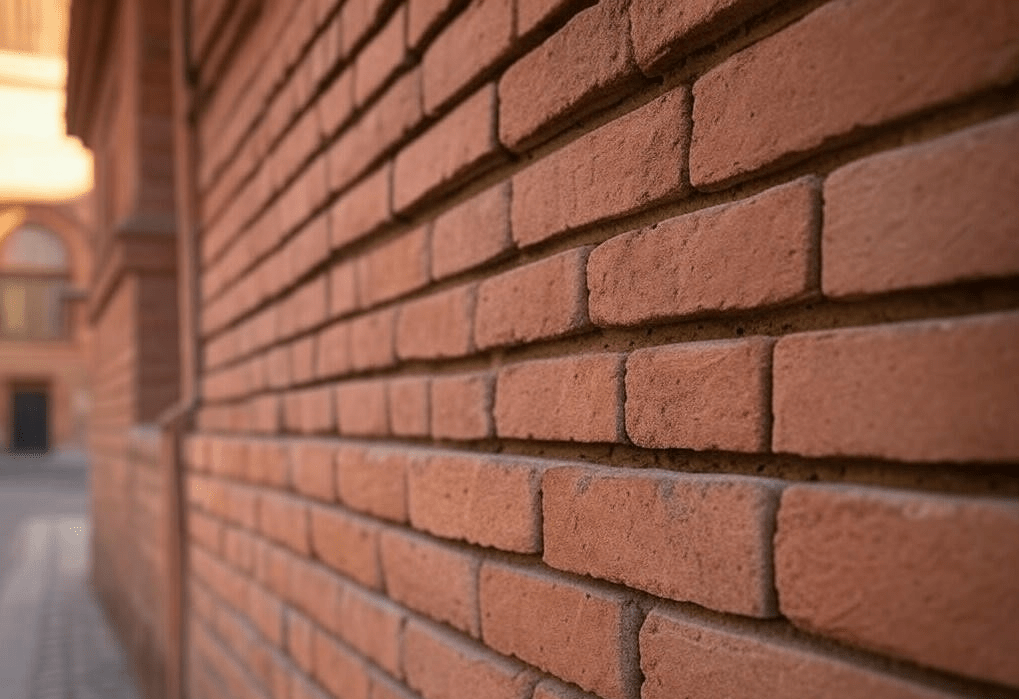
Walls don’t talk—except they do. Creaks, hums, echoes—buildings chatter if you listen. It’s not ghosts (usually); it’s sound and vibration spilling secrets. How do they do it? What’s the story? Let’s tune into the whispering walls and hear what your house—or the one next door—is saying.
The Sound Source
Buildings buzz. Wind shakes windows—vibrations hum low. A 2020 study says wood frames groan at 10-20 hertz as they flex. Pipes clank, heat ticks—metal expands, contracts. Footsteps thump—floors bounce sound like drums. It’s physics: stuff moves, air wiggles, you hear.
Echoes play too. Hard walls bounce voices—cathedrals boom for this. A 2019 test found curved domes “whisper”—sound travels far, clear. Ever hear a convo across a room? Walls snitched.
The Vibe Life
Vibrations spill more. Trains rumble—walls shake miles off, per a 2021 paper. Old houses creak—settling or ghosts? Science says timber shifts with moisture. Skyscrapers sway—wind’s dance, safe but eerie.
They eavesdrop too. A 2020 experiment bounced lasers off glass—vibes turned to words. Spies love it; your walls might too.
What They Say
Walls whisper weather, wear, even history—nails from 1800s sing different. Next creak, listen. It’s not silence—it’s a building’s heartbeat.

By EBMOmniScope
Silence. No hum, no chatter—just nothing. It’s rare—cars, birds, your fridge always buzz. But what if it’s truly quiet? Your brain doesn’t chill—it flips out, then rewires. From phantom sounds to deep calm, silence is a trip. What’s it doing up there? Let’s hush the world and hear what happens when the noise stops.
The Quiet Hunt
Real silence is tough. Even forests hum—wind, bugs, leaves. An anechoic chamber—soundproof, echo-free—is the closest. Microsoft’s got one: -20 decibels, quieter than quiet. People last minutes before begging out. Why? Your brain hates the void.
The Noise Within
In silence, your head gets loud. A 2019 study says your auditory cortex—ear HQ—cranks up, hunting sound. No input? It invents some. Tinnitus kicks in—ringing, buzzing—your brain’s DIY soundtrack. In chambers, folks hear their heartbeat, blood whooshing. A 2020 test clocked it: 10 minutes in, and you’re a walking drum.
The Calm Switch
But wait—silence heals too. A 2017 study gave mice quiet after noise—brain stress dropped fast. Humans? Two minutes of hush cuts cortisol, per 2021 research. It’s a reset—your amygdala, the panic button, chills. Monks knew it; meditation’s built on it. Silence isn’t empty—it’s a balm.
The Brain Rewire
Long quiet shifts you. A 2020 paper says it boosts the default mode network—your daydream zone. Creativity spikes; you solve stuff without trying. Too long, though, and it’s eerie—your brain craves chatter. Balance is key.
Silent Power
Silence isn’t nothing—it’s everything. It spooks, soothes, and sparks. Next time you find a quiet corner, lean in. Your brain’s talking, even when the world shuts up.

By EBMOmniScope
Mirrors. They’re in your bathroom, your car, your pocket—showing you “you.” But here’s the twist: they’re liars. That reflection’s not the real deal—it’s flipped, warped, and playing tricks on your brain. How do they pull it off? Why do we fall for it? Let’s stare into the glass and unpack the sneaky ways mirrors mess with us.
The Flip Flop
Look in a mirror. Wave your right hand—your “left” waves back. Mirrors reverse left and right, not up and down. Why? Light bounces straight—your face’s image flips horizontally at the glass. A 2018 physics demo showed it’s not the mirror’s fault—it’s how rays align. Your brain’s used to it, but it’s still a lie. Write your name, hold it up—backwards in the glass. Truth: no one sees you like that.
The Warp Zone
Cheap mirrors bend reality. Ever notice your face stretch or shrink in a funhouse? Even flat ones curve a bit—edges distort. A 2020 study says low-end glass warps light by microns, tweaking your look. High-end mirrors cut it close, but none are perfect. That “you” is always a little off.
And size tricks you. Small mirrors crop your view—your brain fills gaps, guessing your height or vibe. Big ones exaggerate—suddenly you’re all legs. It’s not you—it’s the frame.
The Mind Game
Mirrors mess with your head. Stare long, and your face morphs—eyes shift, mouth twists. It’s the “strange face illusion”—your brain glitches, per a 2019 paper. It’s not ghosts; it’s neurons tiring, remixing what’s familiar. Spooky, but science.
They tweak feelings too. A 2021 study says mirror time boosts self-focus—good for confidence, bad for obsession. Ever feel uglier in one light? That’s the mirror plus your mood, lying together.
The Real You
Mirrors don’t show what others see—cameras come closer, but still tweak. Next time you check your reflection, wink at the liar. It’s a flipped, warped you—close enough, but never the truth.
By EBMOmniScope
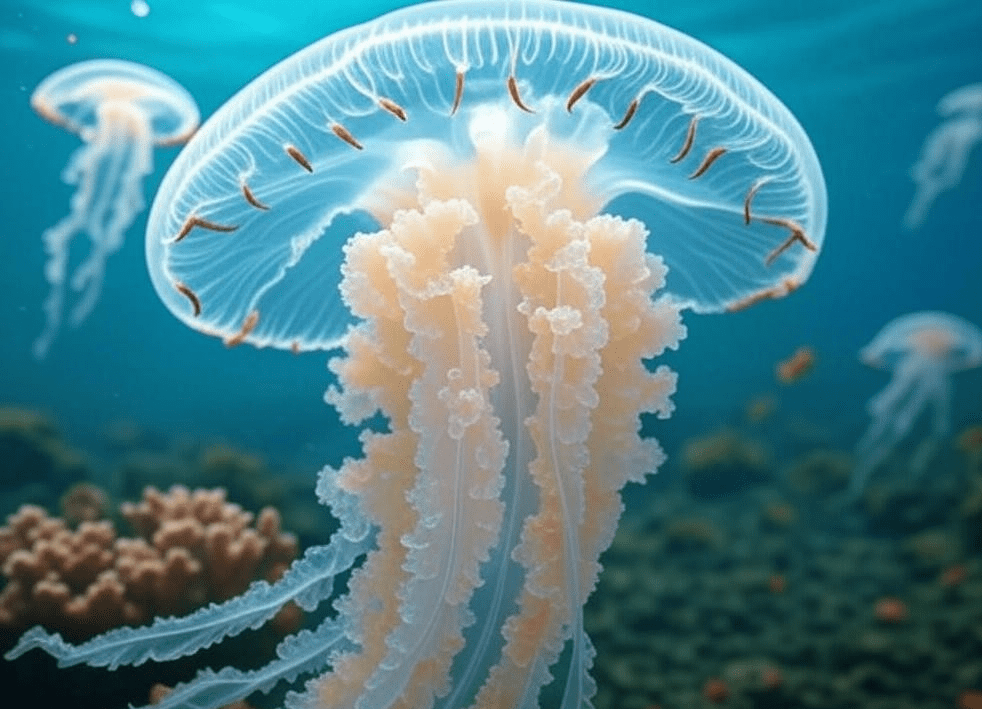
Jellyfish. They’re floppy, stingy, and look like they flunked evolution—no brain, no bones, just goo. Yet these floaty weirdos are thriving—clogging beaches, nets, even power plants. Some say they’re poised to take over the seas, outlasting fish and us. How’s a brainless blob winning? What’s their secret? Let’s drift into the jellyfish world and see why they might just be the ocean’s next kings.
The Jelly Basics
Jellyfish are old—600 million years old. They’re 95% water, a bell, and tentacles—simple as a paper plate with strings. No brain? No problem—they’ve got a nerve net, a basic web that zaps prey and steers them. They pulse through water, eating plankton, fish, even other jellies. A 2021 study says some species double their numbers in weeks—fast for something so chill.
They sting too—nematocysts, tiny harpoons, fire venom. Box jellies can kill a human in minutes. They’re not hunting us—they’re just good at surviving.
The Takeover Clues
Oceans are shifting—warmer, emptier, messier. Overfishing guts their rivals—fish eggs are jelly snacks. Pollution and heat? Jellies shrug. A 2019 report found blooms—huge jelly swarms—spiking globally. In Japan, they’ve sunk boats with sheer weight. Off Namibia, they outnumber fish 3-to-1. It’s not a fluke—it’s a flex.
Why them? They breed like crazy—some clone themselves—and eat anything. Low oxygen? They’re fine; fish choke. A 2020 study says climate change is their VIP pass—more chaos, more jellies.
The Human Headache
They’re trouble. Jellies clog power plant pipes—Sweden’s had shutdowns. Beaches close when they swarm—tourists hate stings. Fishermen lose hauls to slimy thieves. A 2022 paper predicts they’ll cost billions if unchecked. They’re not plotting—they’re just there, winning by existing.
Kings of the Deep?
Could they rule? Maybe. They’ve outlasted dinos and ice ages. If we keep trashing the seas, they’re the last blobs standing—brainless, relentless, eternal. Next beach trip, watch the waves. That jelly bobbing by? It’s not scared—it’s ready.

By EBMOmniScope
Whistling. It’s that little tune you puff out walking down the street, a carefree toot that feels as old as time. But there’s more to it than happy lips—whistling’s got physics, a wild past, and a knack for spilling secrets about us. How does it work? Why’s it so universal? Let’s pucker up and blow through the art, science, and hidden history of this everyday melody.
The Whistle Works
Whistling’s simple but slick. Purse your lips, push air through a tiny gap, and voilà—sound. It’s a mini wind instrument, your mouth the pipe. The pitch? That’s air speed and gap size—tighten up for high notes, loosen for low. A 2018 study clocked whistle frequencies from 500 to 4,000 hertz—dog-hearing territory. Your tongue’s the DJ, tweaking the cavity to shape the tune.
It’s physics in action: air hits the edge of your lips, splits, and vibrates—like a flute, but DIY. No tools, just you. That’s why it’s universal—every human with breath can do it.
A Whistle Through Time
Whistling’s ancient. Cave folks probably did it—mimicking birds or calling pals. By 500 BCE, China’s “whistling arrows” shrieked in battle, spooking foes. Medieval shepherds used it to herd sheep—long trills for “move,” short for “stop.” It’s communication without words, raw and real.
Sailors whistled too—but carefully. Legend said it “called the wind,” good for sails, bad for storms. In the 1800s, street kids in London whistled codes—sharp for cops, soft for all-clear. It’s a secret language, passed lip to lip.
The Brain’s Tune
Why’s it feel good? Whistling’s a brain tickler. A 2020 study says it boosts dopamine—happy vibes—while syncing breath and focus. It’s mini-meditation: you can’t worry and whistle. Ever notice it calms nerves? That’s your vagus nerve chilling out, per a 2019 paper. It’s not just noise—it’s therapy.
And it’s social. Whistlers in crowds—like at old ballgames—sync up, bonding without planning. It’s primal, like wolves howling, but cheerier.
Whistling’s Secrets
It spills your mood—jaunty for joy, shaky for stress. Cultures read it too: in some places, night whistling’s taboo—ghosts might answer. From war to work, it’s been a signal, a salve, and a story. Next time you whistle, listen—it’s telling you more than you think.

By EBMOmniScope
Kites. You flew one as a kid—string, wind, a wobbly dance in the sky. Simple fun, right? Nope. These flimsy flyers have a royal past, ruling wars, weather, and big ideas. From ancient battles to Ben Franklin’s lightning bolt, kites punched above their weight. How’d they soar so high? Let’s tug the string and meet the forgotten kings of the air.
War Wings
Kites started big—China, 500 BCE. Legend says General Han Hsin flew one to measure enemy walls, winning a siege. By the 1200s, they’re signal flags—red for “attack,” white for “hold.” Japan’s samurai used them too, hoisting archers (briefly—ouch). Kites were spies, scouts, and messengers—war tech before drones.
In 1752, Ben Franklin’s kite snagged lightning, proving it’s electricity. No shock (he was smart), but it sparked science—literally. Kites weren’t just toys; they were tactical.
Weather Watchers
Kites ruled the skies for meteorology. In the 1700s, scientists strapped thermometers to them, chasing temp data aloft. By the 1890s, U.S. Weather Bureau kites hauled barometers 10,000 feet up—higher than balloons then. A 1900 flight hit 14,000 feet, snagging wind and cloud stats. Planes stole the gig later, but kites were the OG weather kings.
They’re tough too—box kites, stable in gusts, carried gear when balloons popped. It’s low-tech grit meeting high-sky dreams.
Invention Boosters
Kites birthed flight. The Wright brothers tested wing shapes with them before Kitty Hawk—kites were their wind tunnel. In 1899, their kite lifted off, proving lift beats drag. Gliders, then planes, owe them a nod.
Even today, kites pull—powering ships with giant sails or generating wind energy. They’re not relics; they’re pioneers.
Kings Reborn
Kites shaped wars, weather, and wings—quiet royalty of the air. Next time you fly one, feel the history. It’s not just string and cloth—it’s a king reclaiming the sky.
By EBMOmniScope
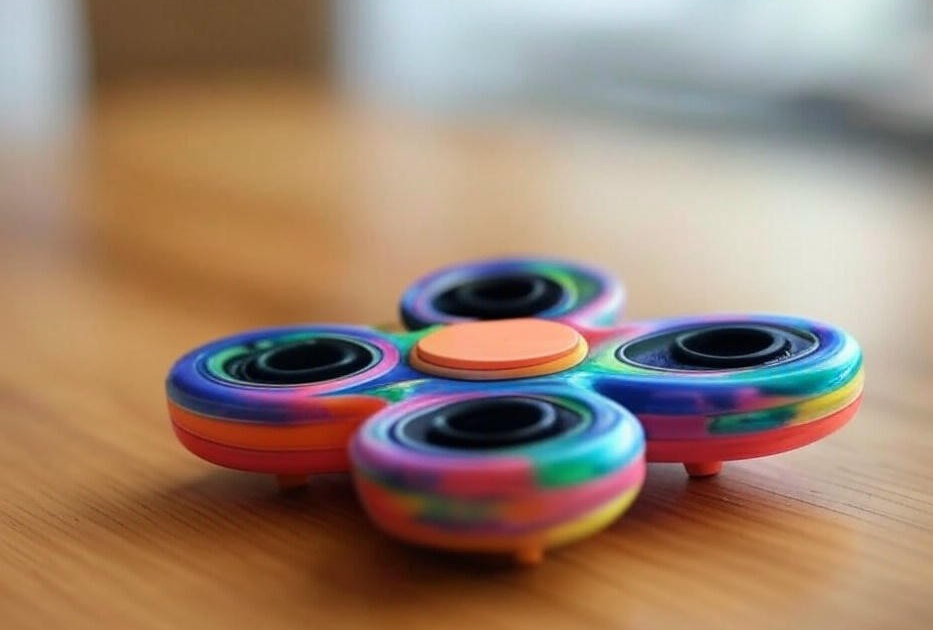
Fidget spinners. They hit in 2017 like a whirlwind—kids spun them, adults stole them, and teachers banned them. A simple toy: a bearing, some weights, a flick. Yet they spin forever (well, almost) and somehow chill us out. What’s the physics behind the twirl? Why’s it soothing? Let’s spin into the science and figure out why this little gadget gripped the world.
The Spin Secret
It’s all about momentum. A fidget spinner’s got a central bearing—usually ceramic or steel—surrounded by arms or lobes. Flick it, and those weights start moving. Newton’s first law kicks in: stuff in motion stays in motion unless stopped. Low friction in the bearing (thanks, lube and polish) means it barely slows. A good one spins 2-5 minutes—cheap ones poop out faster.
Angular momentum’s the star. The farther the weights are from the center, the more “oomph” they carry—think ice skaters pulling arms in to speed up. A 2018 study clocked spinners at 300 RPMs—fast enough to blur, slow enough to watch. Balance matters too; wobbly ones die quick.
Why So Long?
Air’s the enemy—drag tugs at the arms, sapping speed. But spinners are small and sleek, dodging much resistance. The bearing’s the real hero—less friction, more spin. Some fancy ones use magnetic levitation, cutting contact entirely. It’s physics flexing: minimize the brakes, maximize the ride.
The Calm Factor
Why’s it soothing? Your brain’s in on it. Spinning’s rhythmic—visual white noise. A 2019 study says repetitive motion drops cortisol, the stress hormone. Fidgeting also burns nervous energy—ADHD folks swear by it. The hum’s a bonus; bearings buzz at 50-100 hertz, a low purr that vibes with relaxation.
It’s not magic—it’s focus. Watching it spin pulls you out of your head, like a mini-meditation. No proof it “cures” anything, but it’s a chill pill you can pocket.
Spin On
Fidget spinners blend physics and feels—momentum meets mindfulness. Next time you flick one, you’re not just playing—you’re riding a tiny law of nature, calming your chaos one twirl at a time.

Life can be a whirlwind. Some days hit like a freight train, piling on demands, decisions, and deadlines. But when the sun sets and the world quiets down, I’ve crafted a sacred routine to unravel the tension, reconnect with what matters most, and recharge my soul. My unwind process isn’t just a checklist—it’s a vibrant, soul-stirring ritual that brings me back to life. Let me take you through it.

First stop: a hot shower. There’s something almost magical about stepping into that steamy cascade. The water doesn’t just wash away the day’s grit; it melts the mental clutter. As the heat seeps into my muscles, I feel the weight of emails, meetings, and to-dos swirl down the drain. It’s my reset button, a 15-minute sanctuary where I’m not a professional, a problem-solver, or anything but me, basking in the warmth. By the time I step out, I’m lighter, ready to embrace what comes next.
And what comes next is everything. I head straight for my favorite people: my wife and our two-year-old daughter. The moment I walk through the door, my little girl’s face lights up, and my heart does a somersault. I scoop her up, plant a big kiss on her cheek, and wrap her in a hug that feels like it could stop time. I miss her fiercely during the day—her giggles, her tiny hand grabbing mine, her boundless curiosity. Being apart makes these moments electric. My wife and I catch up, laugh, and soak in the chaos and beauty of parenting. Whether we’re building block towers or chasing our daughter around the living room, this time is pure joy, a reminder of the love that anchors me.
Once our daughter’s tucked in, I shift gears to recharge my spirit. I’ve been diving deep into my faith lately, and nothing lights me up like praying in tongues. It’s not just words—it’s a current, a connection to something bigger that surges through me. I feel alive, grounded, and untouchable. Then, I crack open my Bible to the book of Romans, my current obsession. Paul’s words hit like lightning bolts, challenging me to wrestle with grace, faith, and purpose. I scribble notes, pause to reflect, and let the truths sink in. It’s not just study—it’s a conversation with eternity.

Lately, I’ve been weaning off social media, and let me tell you, it’s liberating. The endless scroll of uninspiring posts, hot takes, and curated facades was draining my energy. Now, I’m reclaiming that time for what truly sparks joy. My favorite part of unwinding? Slipping into a dark room, alone, for hours of meditation. It’s not just sitting still—it’s diving into the deep end of my soul. Then I hear God in that stillness, I untangle my thoughts, listen to my heart, and find clarity. The world fades, and I’m left with peace, purpose, and a quiet strength that carries me into the next day.
This routine isn’t just how I unwind—it’s how I come alive. From the steamy solace of a shower to the electric joy of my daughter’s hug, from the fire of prayer to the stillness of meditation, every step is a deliberate choice to reconnect with what makes me whole. Demanding days don’t stand a chance against this. What’s your unwind ritual? Whatever it is, make it yours, make it vibrant, and let it light you up.

By EBMOmniScope
Plants look chill—swaying in the breeze, soaking up sun. But don’t be fooled: some are scrappers. They’ve got tricks to fend off bugs, beasts, and even us, honed over millions of years. Poison spines, sneaky traps, chemical warfare—these green warriors don’t mess around. How do they pull it off without muscles or teeth? Let’s root around and meet the plants that fight back.
The Sting Squad
Start with the classics: nettles and cacti. Stinging nettles pack hollow hairs—tiny needles—that jab you with histamine and itch juice. Brush one, and it’s like nature’s “back off” sign. Cacti? Their spines aren’t just decor—they’re armor, stabbing thirsty critters. Some even shoot barbs—looking at you, jumping cholla. It’s passive-aggressive defense, plant-style.
Then there’s the poison crew. Poison ivy’s oily urushiol triggers rashes so bad you’ll curse the day you touched it. A 2017 study says it’s evolved to deter mammals—us included. Foxglove looks pretty but hides digitalis—heart-stopping if you munch it. Plants don’t run; they hit hard.
Bug Busters
Insects love a leafy snack, but plants bite back. Tobacco plants pump nicotine—a natural bug zapper—when caterpillars chomp. A 2020 experiment showed they “smell” the attack via chemicals in bug spit, then crank the poison. Corn does it too, releasing scents that call wasps to eat the pests. It’s a green SOS—smart and savage.
Carnivorous plants flip the script. Venus flytraps snap shut in 0.1 seconds when bugs tickle their hairs—mechanics, not magic. Pitcher plants drown their prey in slippery, acid-filled cups. A 2019 study found some even mimic flowers to lure flies. They’re not waiting—they’re hunting.
Human Headaches
We’re not off the hook. Thorns snag us, sap blinds us—looking at you, manchineel tree, dubbed “little apple of death.” Its fruit burns your mouth; its rain-dripped sap blisters skin. Spanish explorers learned the hard way in the 1500s. Even roses prick us for picking them—nature’s “hands off” memo.
Some plants outsmart us long-term. Kudzu, the “vine that ate the South,” grows a foot a day, choking forests and roads. We brought it to the U.S. in 1876; now it’s winning. Plants don’t punch—they persist.
The Green Rebellion
Plants fight because they have to—rooted, they can’t flee. Their weapons? Chemistry, traps, and grit. Next time you prune or pluck, watch out—they might just fight back, quiet but fierce.
