THE GREAT RESET – BUILD BACK BETTER???
Category: Politics
-
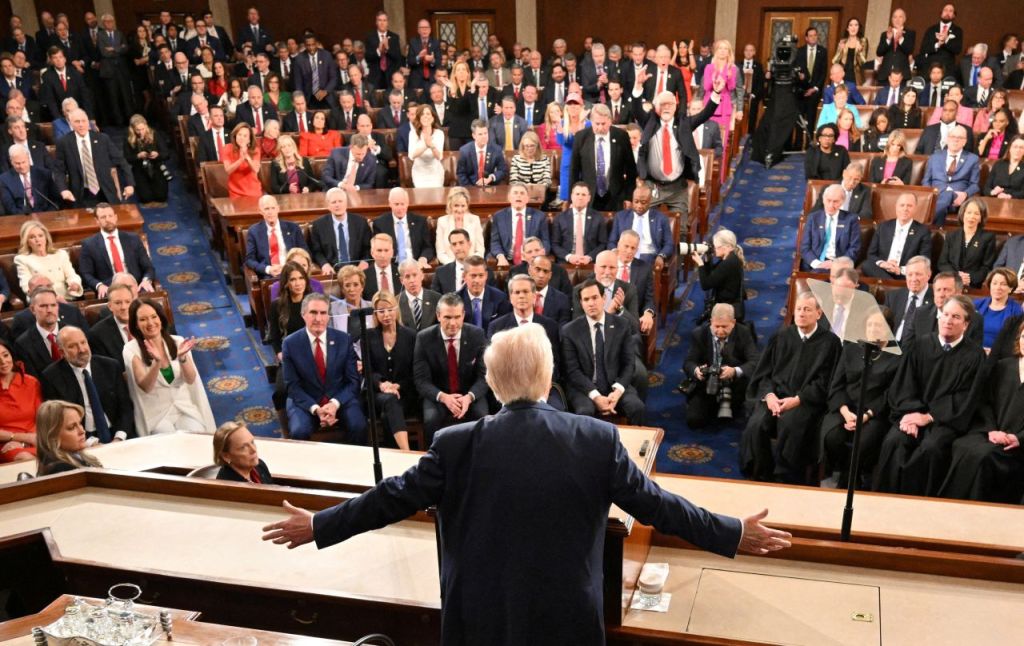
Keynotes from President Trump’s Joint congressional hearing.
President Donald Trump’s addressed a joint session of Congress on March 4, 2025, this was his first speech to Congress since returning to office on January 20, 2025, and it occurred at the U.S. Capitol in Washington, D.C., presided over by House Speaker Mike Johnson and Vice President JD Vance. The address, delivered at 9 p.m. ET, lasted approximately 99 minutes, making it the longest such speech by a modern president, and it outlined Trump’s vision and actions during his first six weeks in office while setting the tone for his second term.
President Trump began his address by greeting Speaker Johnson, Vice President Vance, First Lady Melania Trump, and members of Congress, before declaring to the American people that “America is back.” He framed his speech around the theme of “The Renewal of the American Dream,” asserting that his administration had initiated a “Golden Age of America” since his inauguration. Trump emphasized that his first 43 days in office had seen more accomplishments than most administrations achieve in years, claiming, “We are just getting started.” He received applause and chants of “USA” from Republicans, though Democrats largely remained silent or protested.
Trump touted his election victory on November 5, 2024, as a historic mandate, noting he won all seven battleground states, the popular vote “by big numbers,” and 2,700 counties compared to his opponent’s 525. He cited a 27-point swing in public sentiment, claiming it was the largest ever recorded, with more Americans now believing the country was headed in the right direction. He also highlighted a 41-point jump in small business optimism, describing it as the largest one-month gain ever.
Early in the speech, Trump faced interruptions from Democrats. Representative Al Green (D-Texas) stood and shouted that Trump lacked a mandate, prompting Speaker Johnson to order Green escorted out of the chamber amid Republican chants of “USA.” Democrats held up signs with messages like “Musk Steals,” “Save Medicaid,” “Protect Veterans,” and “False,” while Representative Rashida Tlaib used a whiteboard to respond in real-time. Many Democratic women wore pink as a protest against Trump’s policies, which they argued harmed women and families. Trump taunted Democrats for their lack of applause, saying, “There is absolutely nothing I can say to make them happy or to make them stand or smile or applaud,” drawing smiles from Vance and Johnson.
A significant portion of the address focused on economic policies. Trump took credit for reorienting the nation’s economy, promising “dramatic and immediate relief” for working families. He blamed the Biden administration for an “economic catastrophe and inflation nightmare,” specifically citing high egg prices due to avian flu (though he did not mention the cause). To lower costs, he proposed investments in a natural gas pipeline in Alaska and expanding rare earth mineral production. Trump strongly advocated for his “reciprocal tariffs,” which began on March 4 with 25% tariffs on goods from Mexico and Canada and doubled 10% tariffs on China. He argued that other nations, such as India (over 100% auto tariffs), China (twice U.S. rates), and South Korea (four times higher), had long imposed higher tariffs on U.S. goods, justifying his policy as a means to level the playing field and revive American manufacturing. These tariffs, however, sparked fears of a trade war, with Canada, Mexico, and China announcing retaliatory measures.
Trump addressed immigration, emphasizing border security as a top priority. He shared the story of a 12-year-old girl killed by illegal immigrants, addressing her mother in the gallery and displaying an executive order renaming a wildlife refuge in her honor, which drew Republican applause. He called for Congress to fund “the largest deportation operation in American history,” surpassing even President Dwight Eisenhower’s efforts, and urged Speaker Johnson and Senate Leader John Thune to send him the funding quickly, promising to sign it “so fast you won’t even believe it.”
Trump highlighted his creation of the Department of Government Efficiency (DOGE), led by Elon Musk, who attended the speech and was personally thanked by the president. He claimed DOGE had uncovered “hundreds of billions” in fraud, though no detailed accounting was provided. Other domestic achievements included ending foreign aid, banning transgender athletes from school sports, and initiatives to reduce federal government size. He also promised to restore law and order, criticizing the “radical left” for undermining the justice system, and hinted at empowering police, possibly with greater immunity.
On foreign policy, Trump addressed his shift in U.S. stance toward global conflicts. He discussed his recent decision to freeze military aid to Ukraine, following a tense Oval Office meeting with Ukrainian President Volodymyr Zelenskyy on February 28, 2025, where he reportedly called Zelenskyy a “dictator” while praising Russia’s Vladimir Putin. Trump outlined plans to foster peace in Ukraine and the Middle East, including a controversial proposal for the U.S. to take ownership of Gaza and redevelop it—a drastic shift in policy with little detail provided. These remarks followed his broader campaign rhetoric admiring authoritarian leaders like Putin and China’s Xi Jinping.
The speech featured theatrical moments, such as Trump holding up the wildlife refuge order. Guests included Stephanie Diller, widow of a slain NYPD officer; Marc Fogel, a teacher recently freed from Russia, with his 95-year-old mother; and relatives of Corey Comperatore, killed during an assassination attempt on Trump in 2024. Some Democrats invited fired federal workers and those affected by budget cuts to highlight Trump’s policies. Secretary of Veterans Affairs Doug Collins was the designated survivor, absent from the
At 99 minutes, the speech surpassed Bill Clinton’s 89-minute address in 2000 as the longest modern joint session speech, slowed by interruptions and applause. Republicans cheered Trump’s vision, while Democrats, including Senator Elizabeth Warren, who called it “one lie heaped on another,” expressed strong dissent. Senator Elissa Slotkin (D-Mich.) delivered the Democratic rebuttal, focusing on economic concerns and criticizing Trump’s ties to Musk.
Trump concluded by reiterating his campaign promises to lower prices, secure the border, and reshape America’s global role, framing his rapid actions as fulfilling an electoral mandate. He positioned his administration as ushering in an unprecedented era of American success, despite a divided Congress and nation—Gallup polls showed his approval rating at 47% upon taking office, with majorities disapproving of his handling of six key issues. The address underscored his fast-paced approach, with dozens of executive orders already signed, and set the stage for legislative battles over funding his agenda, including a looming government shutdown deadline on March 14, 2025.
-
Why Home Automation is a Game-Changer for Every Home
Welcome to OmniScope, where we explore everything that matters! Today, we’re diving into home automation—a hot topic that’s transforming how we live. Whether you’re a homeowner or a renter, this guide will show you why it’s worth considering, what challenges you might face, and how to get started affordably. Let’s make your home smarter, together!
What is Home Automation?
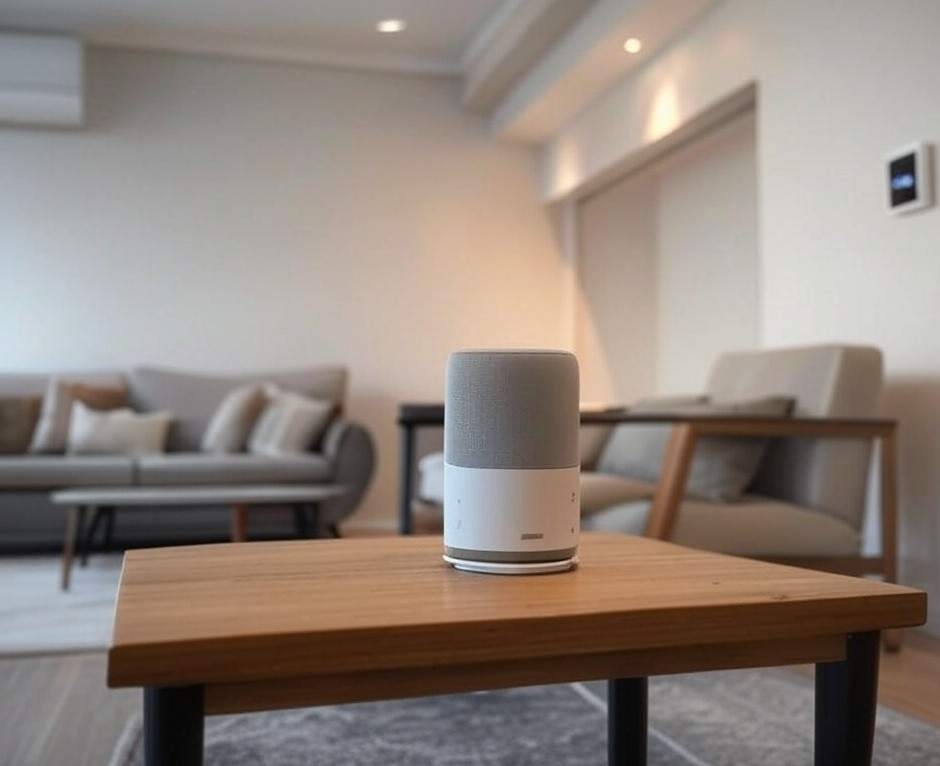
Home automation is like giving your house a brain. It’s using technology to control things like lights, thermostats, locks, and even cameras—automatically or from your phone. Imagine turning off the lights you forgot downstairs without leaving your bed or unlocking the door for a friend while you’re at work. That’s the magic of a smart home!
How it works: Devices connect to a hub or app (often via Wi-Fi or Bluetooth) so you can manage them remotely or set schedules. For example, a smart thermostat can learn your routine and adjust the temperature to save energy.
Evidence: A 2023 TechTarget report defines it as “smart home systems that provide security, comfort, convenience, and energy efficiency” by linking devices to a central controller. Simple, yet powerful!
Why It’s Highly Recommended
Home automation isn’t just a luxury—it’s a practical upgrade. Here’s why experts and homeowners love it, backed by facts:
1. Saves Money and Energy:
Smart thermostats like Nest can cut heating and cooling costs by 12%, according to a Security.org study (2024). That’s money back in your pocket! 34% of homeowners in a 2024 Nationwide survey said energy efficiency was a top reason they adopted smart tech.
Boosts Security:
Smart locks and cameras let you check your home from anywhere. A Nationwide survey found 60% of smart home users feel safer with devices like video doorbells (owned by 34% of respondents).
Makes Life Easier
Forgot to turn off the coffee maker? One tap on your phone fixes it. The Demand Institute (2015) found nearly half of homeowners planning renovations were excited about adding smart tech for convenience.
4. Increases Home Value
Energy-efficient homes with automation sell for more. Money Supermarket notes a “direct correlation” between smart features and higher property prices.
Spiritual Angle: For our Christian readers, automating your home can free up time for prayer or family—stewardship of resources aligns with faith!
Challenges and Drawbacks
Nothing’s perfect, and home automation has its hurdles. Here’s what to watch out for:
Cost: Upfront prices can sting—smart bulbs start at $10, but a full system might hit hundreds.
Compatibility: Not all devices play nice together. A 2023 ScienceDirect study highlighted how “platform fragmentation” confuses users.
Tech Know-How: Setting it up can feel overwhelming if you’re not tech-savvy.
Security Risks: Hackers could target weak networks. Parks Associates (2023) found 55% of users worry about device security.
Reliance on Internet: No Wi-Fi, no control. A power outage could also disrupt your system.
Learning Curve: Older family members might struggle, as noted by Oobsmarthome.com (2023).
Overcoming the Hurdles
Don’t let these stop you—here’s how to tackle them:
Start Small: Buy one device (like a $25 smart plug) and grow from there. No need to splurge all at once.
Secure Your Network: Use strong passwords and update software regularly. A firewall adds extra protection.
Choose Compatible Brands: Stick to standards like Zigbee or Wi-Fi (FineHomesAndLiving.com, 2023) to avoid compatibility headaches.
Ask for Help: Watch YouTube tutorials or ask a tech-savvy friend—learning is easier than you think!
Simple, Affordable Automation for Homeowners
You don’t need a fortune to smarten up your home. Here are budget-friendly ideas:
1. Smart Plugs ($10-$20)
Plug in any appliance (like a lamp or fan) and control it via an app. Set schedules to turn off forgotten devices.
2. Smart Bulbs ($10-$15 each)
Change colors or dim lights from your phone. Philips Hue Starter Kits ($50) are a great entry point.
3. DIY with Raspberry Pi ($35)
Tech lovers can build a custom hub for lights or sensors. It’s cheap and endlessly customizable!
The home automation market is projected to hit $79 billion by 2022 (Inc.com, 2017), showing how accessible it’s becoming.
Renters’ Guide to Automation (No Landlord Drama)
Renting? You can still join the smart home party without permanent changes. Try these:
1. Portable Smart Speakers ($30-$50)
Amazon Echo Dot or Google Nest Mini lets you control devices with your voice—no wiring needed.
2. Smart Plugs ($10-$20)
Same as above—plug and play, no installation required. Turn your landlord’s old lamp into a smart one!
3. Battery-Powered Cameras ($50-$100)
Arlo or Blink cameras stick anywhere with adhesive—no drilling. Take them when you move.
Tip: Check your lease, but most landlords won’t mind non-permanent upgrades.
Bonus: Fun and Fascinating Perks
– Health Boost: Connect wearables to smart lights for workout vibes (CEDIA, 2024).
– Luxury Car Tie-In: Some systems (like Tesla’s app) can sync with your garage door—perfect for car enthusiasts!
– Design Wow-Factor: Automated blinds or mood lighting elevate your home’s style.
43% of homeowners under 35 plan to add smart features in the next three years (Joint Center for Housing Studies, 2016). The future is now!
Home automation is more than a trend—it’s a way to save, secure, and simplify your life. Whether you own or rent, start small with a smart plug or bulb, and watch your home transform. At EveryBitMatters, we believe every bit of progress counts—let OmniScope guide you to a smarter, more enjoyable home. What’s your first step? Let us know in the comments!
