Blog
-

An Excerpt from the book titled; A Compassionate Guide to Understanding and Managing Head Trauma – a masterclass in resilience”
Cranioplasty Post-Decompressive Hemicraniectomy: A Closer Look
Why It Matters
After a severe TBI, a decompressive hemicraniectomy—removing part of the skull to ease swelling—saves lives in 70% of cases where ICP spikes past 25 mmHg (BTF, 2023). But the skull stays open, leaving the brain vulnerable. Cranioplasty closes that gap, done in 80% of survivors. It’s more than cosmetic—it’s protection and healing.
Materials: Bone vs. Tech
- Autologous Bone: Your own skull, stored frozen—80% success, 5% infection. It’s natural but can resorb (10% need redo).
- Synthetic: Titanium or acrylic—70% success, 10-15% infection. Durable, but rejection’s a 5% risk.
- Stats: A 2024 study of 1,500 cases found bone edges out (85% vs. 75% long-term fit). A 2023 study of 1,000 patients found 4 months optimal—70% success.
- How: Surgeons use CT to custom-fit implants. Sterile fields and drains cut complications by 30%. ATLS follow-up ensures stability first
Timing’s Dance
- Early (1-3 Months): 20% infection, 60% success—rushed healing’s the culprit.
- Sweet Spot (3-6 Months): 5% infection, 80% success—tissue’s ready.
- Late (1+ Years): 10% infection, 70% success—scarring complicates.
- Guideline: BTF says 4-6 months—70% of trauma centers agree.
Beyond the OR
- Rehab Boost: Post-cranioplasty, 60% improve in therapy—pressure off the brain helps. Walking, talking—gains stack up.
- Emotional Lift: Restores appearance— 80 – 85% feel “themselves” again and report better self-esteem. “I felt whole again,” one patient said —mirrors stop lying.
- Risk Watch: Wound checks every 2 weeks cut infection catches to 3%—vigilance pays.
- Physical: Shields the brain—cuts infection risk by 60%. Improves blood flow, boosting cognition in 50% of patients (Neurosurgery, 2024).
- Stats: 70% see motor or speech gains within 6 months post-cranioplasty.
Risks: The Tough Side
No surgery’s risk-free, and cranioplasty has hurdles:
- Infection: 5-15% of cases—highest with synthetic implants (e.g., titanium). Antibiotics pre- and post-op drop this to 3-5%.
- Wound Healing: 10% face breakdowns, especially if skin’s thin or scarred. Smokers (20% of patients) double this risk—quitting helps.
- Implant Issues: Rejection or loosening hits 3-5%. Autologous bone (the patient’s own) fares better than artificial (80% vs. 70% success).
- Reoperation: 10-20% need a fix—draining but survivable.
A Patient’s Voice: Carlos’ Comeback
- Carlos, 38, a mechanic, took a tire iron to the head in 2022—severe TBI, craniectomy. Six months later, titanium cranioplasty clicked. Infection struck at 8 weeks—10% odds—but antibiotics saved it. Now, he’s wrenching again, grinning. “I’m tough,” he says. His wife, Maria, adds, “We’re tougher together.” That’s the spirit.
A Patient Story: Sarah’s Rebuild
Sarah, 25, survived a car crash in 2022, her skull opened to save her. For months, she wore a helmet, feeling “half-finished.” At 5 months, cranioplasty with her own bone brought relief—no infections, just slow healing. “I see me in the mirror now,” she says. Her mom, Lisa, cried with joy. It’s not instant, but it’s a turning point.
It’s a step toward normalcy, but the wait and risks can feel daunting—support makes it bearable.
-

Big stories today – fresh-off the-press
U.S. Politics and Policy: President Donald Trump has been making headlines with shifting tariff policies. Tariffs on goods from Canada and Mexico, initially set to take effect, have been delayed until April 2, with Trump suggesting they “could go up” depending on negotiations, particularly around curbing fentanyl flow into the U.S. This follows a week of reversals after economic pushback from automakers and stock market dips. Additionally, Trump is pushing to dismantle the Department of Education via an executive order, though experts note Congress holds the ultimate authority, and legal challenges are expected.
International Affairs: Senator Lindsey Graham warned that pausing U.S. military aid to Ukraine could lead to consequences “worse than Afghanistan,” urging continued support amid ongoing conflict with Russia. Meanwhile, the EU is showing signs of stepping up defense spending as U.S. support for Ukraine wavers. In Gaza, Israel has halted all goods and supplies, while Hamas accuses Israel of undermining a fragile ceasefire with new proposals.
Incidents and Emergencies: An armed man from Indiana was shot by Secret Service agents near the White House early Sunday while Trump was away. On Long Island, authorities are investigating possible arson behind wind-driven brush fires that injured two firefighters over the weekend. In Australia, Cyclone Alfred, downgraded to a tropical storm, is bringing heavy rain to Queensland and New South Wales.
Health and Religion: Pope Francis, hospitalized since mid-February for bronchitis, is showing “mild improvement” and penned a prayer thanking hospital staff, with the Vatican reporting he’s stable.
Space and Technology: SpaceX’s Starship rocket exploded during a test flight, with Elon Musk calling it a “minor setback,” though it marks the second failure this year, raising questions about the program’s timeline.
Time Change: Daylight saving time began last night in the U.S., with clocks springing forward an hour.
-
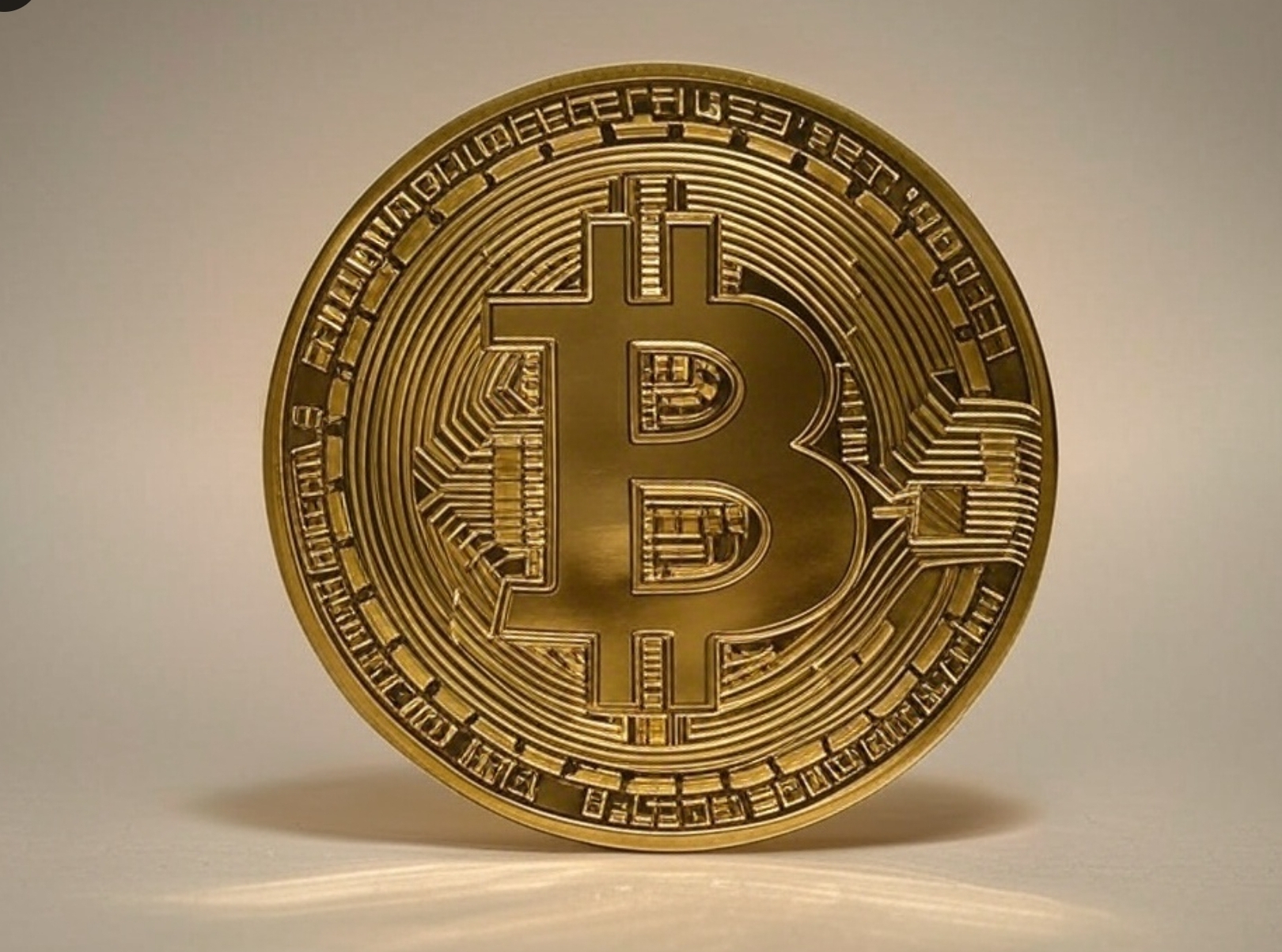
Crypto 101: the Wild World of Cryptocurrency
Introduction
Hey there, curious reader! Have you ever wondered what all the fuss is about with cryptocurrency? Maybe you’ve heard terms like Bitcoin, blockchain, or mining thrown around at a party, and you nodded along pretending to get it (we’ve all been there). Well, buckle up, because we’re about to take a deep dive into the wacky, wild, and sometimes wonderful world of crypto! This isn’t your grandpa’s piggy bank—it’s digital money with a twist, and it’s been shaking up the world since 2009.
In this mega-blog, we’ll break down what cryptocurrency really is (spoiler: it’s not just internet Monopoly money), stroll through its rollercoaster history, figure out why it’s got everyone buzzing, and peek at how governments are trying to tame this digital beast—complete with a juicy conspiracy theory or two. We’ll list every cryptocurrency out there (well, the big ones anyway), explain the techy bits like cryptography and decentralization in a way that won’t make your eyes glaze over, and track the epic ups and downs of the crypto market up to March 2025. Plus, we’ll dig into mining, weigh the pros and cons of trading, share some killer trading tips, and wrap it all up with a look at Trump’s big crypto summit. Oh, and stick around for the one golden rule you need to know to trade like a pro. Ready? Let’s dive in!

What’s Cryptocurrency Anyway?
Imagine money that lives only on the internet, doesn’t need a bank teller to move it around, and is guarded by super-secret math codes instead of a vault. That’s cryptocurrency in a nutshell! Officially, it’s a digital or virtual currency that uses cryptography—fancy word for code-making—to keep it secure. Unlike dollars or euros, no government or bank controls it. Instead, it runs on a decentralized network of computers all over the world, working together to keep track of who owns what.
Think of it like a global game of trust. Normally, if you send me $20, a bank makes sure I get it and you don’t still have it. With crypto, there’s no bank—just a public record called a blockchain that everyone can see, updated by a bunch of nerdy computers solving puzzles (more on that later). The most famous crypto is Bitcoin, but there are thousands of others, each with its own vibe and purpose.
So, why’s it cool? It’s fast (send money across the world in minutes), private (no need to share your life story), and—here’s the kicker—limited. Bitcoin, for example, caps out at 21 million coins, ever. No printing presses here! It’s like digital gold, and that scarcity is part of what drives people nuts about it.
The Epic History of Cryptocurrency
Let’s hop in our time machine and go back to the beginning. Crypto didn’t just pop out of nowhere—it’s the brainchild of a mysterious figure named Satoshi Nakamoto. In 2008, with the world reeling from a financial crisis (thanks, banks!), Satoshi dropped a whitepaper called “Bitcoin: A Peer-to-Peer Electronic Cash System.” It was a nerdy manifesto proposing a currency free from banks and governments. On January 3, 2009, the first Bitcoin block—called the genesis block—was mined, and crypto was born.
Satoshi’s identity? Still a mystery. Some think he’s a lone genius; others say it’s a group. Either way, he (or they) mined about a million Bitcoins and then vanished in 2011, leaving behind a revolution. Early adopters were tech geeks and libertarians who loved the idea of sticking it to the system. Bitcoin was worth pennies back then—fun fact: in 2010, a guy named Laszlo Hanyecz spent 10,000 BTC on two pizzas. Today, that’s millions of dollars. Ouch.
The 2010s saw crypto grow from a fringe experiment to a global phenomenon. In 2011, “altcoins” (alternative coins) like Litecoin popped up, tweaking Bitcoin’s recipe. Then came Ethereum in 2015, dreamed up by a teenager named Vitalik Buterin. Ethereum wasn’t just money—it let people build smart contracts, self-running agreements on the blockchain. Think of it like a vending machine: put in the cash, get the snack, no middleman needed.
By 2017, crypto hit the mainstream. Bitcoin soared to nearly $20,000, fueled by hype and newbie investors. Everyone wanted in—your cousin, your barber, even your dog (okay, maybe not the dog). But it wasn’t all smooth sailing—scams, hacks, and crashes kept things spicy. We’ll get to that later.

How Crypto Got Popular
So, how did this geeky idea turn into a cultural juggernaut? Blame the perfect storm. First, the 2008 financial crisis made people mad at banks—crypto promised freedom from that mess. Second, the internet made it easy to spread the word. Forums like Reddit and Twitter became crypto cheerleaders, with memes and hype driving the buzz. Third, early investors got filthy rich, turning Bitcoin into a get-rich-quick dream. By 2017, “to the moon!” was the rallying cry, and regular folks started buying in.
Celebrities didn’t hurt either—think Elon Musk tweeting about Dogecoin, a joke coin that somehow became a big deal. Plus, businesses started accepting it—Overstock, anyone? Today, it’s not just tech bros; it’s everyone from Wall Street suits to your grandma (maybe).
Government Regulation and a Conspiracy Twist
Governments weren’t thrilled about this rogue money. Some, like the U.S., took a “let’s watch and see” approach, taxing crypto gains but not banning it. Others, like China, went hardcore, banning trading and mining outright by 2021. Why? Control. Crypto threatens central banks’ power to print money and track cash. The IRS and SEC have cracked down on tax evasion and scams, while the EU’s pushing anti-money-laundering rules.
Now, conspiracy time: some whisper that governments secretly love crypto—or even created it. Imagine this: what if Bitcoin was a test run by the CIA or NSA to see how decentralized systems work, prepping for a digital dollar? No hard proof, but Satoshi’s anonymity and the timing post-2008 raise eyebrows. Could be nonsense, could be genius—chew on that!
The Big List of Cryptocurrencies
Here’s a rundown of major cryptos, from most popular (by market cap, as of March 2025) to lesser-known gems:
- Bitcoin (BTC) – The OG, king of the hill.
- Ethereum (ETH) – Smart contract superstar.
- Tether (USDT) – Stablecoin tied to the dollar.
- Binance Coin (BNB) – Powers the Binance exchange.
- Solana (SOL) – Speedy and trendy.
- XRP (Ripple) – Bank-friendly but controversial.
- Cardano (ADA) – Research-driven slow burner.
- Dogecoin (DOGE) – Meme coin with a cult.
- Avalanche (AVAX) – Fast and eco-friendly.
- Polkadot (DOT) – Blockchain connector.
Cryptography and Decentralization—Crypto’s Secret Sauce
Alright, let’s get into the geeky guts of cryptocurrency: cryptography and decentralization. Don’t worry, I won’t make you feel like you’re decoding alien transmissions—I’ll keep it simple and fun!
First up, cryptography. Imagine you’re passing a secret note in class, but instead of whispering, you’ve got a magical lockbox. Only the person with the right key can open it. In crypto, this is how your money stays safe. Every wallet (your digital piggy bank) has two keys: a public key (like your address, safe to share) and a private key (your secret password, guard it with your life!). When you send Bitcoin to your buddy, cryptography scrambles the transaction so only their wallet can unlock it. It’s like a secret handshake—cool, right? This math magic, built on stuff like SHA-256 (a super-secure code machine), makes sure no one can fake your cash or steal it without that private key.
Now, decentralization—this is where crypto gets wild. Picture a potluck dinner: no one’s the boss, everyone brings something, and the party still rocks. That’s crypto’s network. Instead of a bank or government saying, “Yep, you’ve got $50,” thousands of computers (called nodes) around the world agree on it together. They all keep a copy of the blockchain—a giant, tamper-proof ledger of every transaction ever. No single computer can boss the others around or cheat, because they’d get caught by the crowd. It’s democracy for money!
Why does this matter? With banks, one bigwig can freeze your account or lose your data (remember that 2008 mess?). With crypto, no one can pull the plug unless the whole internet dies. It’s freedom with a side of nerd power. But it’s not perfect—sometimes the network argues (called a fork), splitting into two versions, like Bitcoin Cash splitting from Bitcoin in 2017. Still, this combo of secret codes and shared control is what makes crypto a rebel with a cause.

The Rise and Fall of Cryptocurrency—A Wild Ride
Crypto’s history is like a blockbuster movie: epic highs, brutal lows, and enough drama to keep you on the edge of your seat. Let’s rewind and watch the highlights up to March 2025.
After Bitcoin’s quiet 2009 birth, it was a slow burn. By 2013, it hit $1,000—crazy for something worth pennies a few years back! But then came the Mt. Gox hack—80% of all Bitcoin got stolen, and prices tanked. Lesson one: crypto’s risky. Still, it bounced back, and 2017 was the big breakout. Bitcoin soared to $19,789, driven by hype, newbies, and “ICO mania” (Initial Coin Offerings—think Kickstarter for crypto). Everyone wanted a piece, but 2018 brought the hangover: prices crashed to $3,000. Why? Scams got busted, regulators cracked down, and the bubble popped.
Fast forward to 2020-2021: the pandemic hit, governments printed cash like crazy, and people wanted alternatives. Bitcoin rocketed to $69,000 in November 2021—Wall Street jumped in, Tesla bought $1.5 billion worth, and your uncle started day-trading. Ethereum hit $4,800 too, thanks to DeFi (Decentralized Finance—fancy apps on the blockchain) and NFTs (digital art craze). It was crypto’s golden age… until it wasn’t.
Enter 2022: the crypto winter. Inflation spiked, interest rates rose, and risky bets like crypto got dumped. Then FTX, a huge exchange, imploded—its boss, Sam Bankman-Fried, got caught misusing billions. Bitcoin sank to $16,000, altcoins bled out, and trust took a hit. But crypto’s a phoenix—by 2023, it clawed back. Bitcoin halved (a built-in supply cut every four years) in 2024, sparking a rally to $80,000 by late 2024. As of March 2025, it’s hovering around $75,000, with Ethereum at $3,500 and new players like Solana shining.
What’s the takeaway? Crypto’s a rollercoaster—hype pumps it, fear dumps it, and big events (hacks, laws, billionaires tweeting) swing it wild. It’s fallen hard but keeps rising, proving it’s got staying power—or at least stubborn fans!
Market Forces—What Makes Crypto Prices Dance?
Ever wonder why Bitcoin’s price jumps from $60,000 to $80,000 overnight, then crashes back? It’s not magic—it’s market forces, the push and pull of money and human nature. Let’s break it down.
First, supply and demand. Bitcoin’s capped at 21 million coins, and every four years, the halving cuts new supply in half. Less new Bitcoin + more buyers = price goes brrr! Demand spikes when people get excited—think Elon Musk tweeting “Bitcoin’s cool” or a country like El Salvador adopting it in 2021. But if fear hits (say, a big hack), sellers flood the market, and prices tank.
Second, news and sentiment. Crypto’s emotional—good vibes (Tesla buying BTC) send it soaring; bad vibes (China banning mining) make it plummet. Social media’s huge—Dogecoin mooned in 2021 because of memes! Third, mining costs. Miners spend big on electricity and gear to make coins; if Bitcoin’s price dips below their costs, they sell less, tightening supply.
Finally, big players—whales (rich holders) and institutions. When MicroStrategy buys $1 billion in BTC, prices climb. When they dump, oof. As of March 2025, with firms holding 5% of Bitcoin, their moves matter. It’s a tug-of-war: scarcity vs. panic, hype vs. reality. Buckle up—it’s a wild dance!
Mining Explained—Digging for Digital Gold
Crypto mining sounds like swinging a pickaxe, but it’s really nerds with computers racing to solve math puzzles. Let’s unpack it—and why it’s both awesome and messy.
Here’s how it works: when you send Bitcoin, it’s not official until miners verify it. They bundle transactions into a block, then compete to crack a crazy-hard code (a hash). First one to solve it adds the block to the blockchain and gets a reward—6.25 BTC as of 2025, plus fees. It’s like a global math contest every 10 minutes! The catch? These puzzles need mega-powerful rigs—think warehouses of humming machines.
Mining’s the backbone of decentralization—no bank needed, just miners keeping the ledger honest. But it’s got implications. Energy use is wild—Bitcoin guzzles more power than some countries (like Argentina!) because puzzles get tougher as more miners join. Critics say it’s frying the planet; fans argue it’s pushing green tech (some miners use solar now).
Then there’s centralization creep. Mining’s pricey, so big outfits in places like Texas or Kazakhstan dominate, leaving small fry out. And rewards halve every four years—by 2140, no new Bitcoin, just fees. Miners secure the network, but at a cost: power bills, e-waste, and noise complaints. Still, it’s crypto’s heartbeat—without it, no coins, no trust.
Pros and Cons of Trading Crypto
Trading crypto is like riding a rocket-powered skateboard—thrilling, but you might crash. Let’s weigh it.
Pros:
- Big gains: Bitcoin went from $10,000 to $69,000 in 2021—life-changing if you timed it right.
- Freedom: No bank hours, no borders—trade 24/7, anywhere.
- Variety: Thousands of coins, from Ethereum to meme-y Dogecoin.
Cons:
- Volatility: Prices swing 20% in a day—your $1,000 could be $500 tomorrow.
- Scams: Fake coins and rug pulls (devs vanishing with your cash) burned folks in 2021’s ICO craze.
- No safety net: Lose your private key? Bye-bye money—no bank to call.
Real talk: in 2021, traders made millions on Shiba Inu; in 2022, FTX’s collapse wiped out billions. It’s high stakes—huge wins, brutal losses.
Proven Trading Techniques
Want to trade crypto and win big? Here’s the playbook to boost your odds:
- HODL: Hold On for Dear Life—buy and sit tight through dips. Bitcoin HODLers from 2019 laughed to $80,000 in 2024.
- Dollar-Cost Averaging (DCA): Buy a fixed amount weekly—$50 in BTC, rain or shine. Smooths out volatility.
- Technical Analysis (TA): Read charts—support (price floor) and resistance (ceiling) show buy/sell spots. RSI (Relative Strength Index) flags overbought coins—sell high!
- Risk Management: Only bet what you can lose—5% of your cash, max. Use stop-loss orders to auto-sell if prices crash.
Example: DCA-ing $100 monthly into Ethereum since 2020 would’ve netted you thousands by 2025. TA pros nailed Solana’s 2021 run. It’s not foolproof, but it beats blind guessing!
The Golden Rule
After all this, here’s the one rule to tattoo on your brain: Never invest more than you can afford to lose. Crypto’s a thrill ride—$1,000 can become $10,000 or $0. Treat it like a Vegas bet, not your rent money. Why? Volatility, hacks, and scams mean no guarantees. Stick to this, and you’ll sleep easier—win or lose.