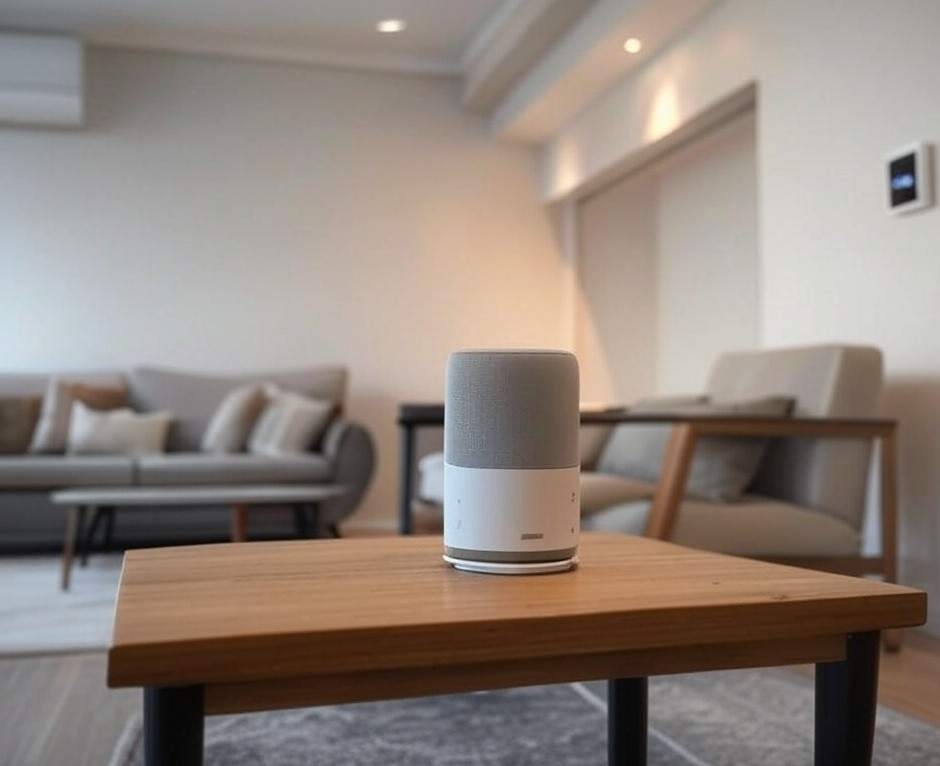
Welcome to OmniScope, where we explore everything that matters! Today, we’re diving into home automation—a hot topic that’s transforming how we live. Whether you’re a homeowner or a renter, this guide will show you why it’s worth considering, what challenges you might face, and how to get started affordably. Let’s make your home smarter, together!
What is Home Automation?
Home automation is like giving your house a brain. It’s using technology to control things like lights, thermostats, locks, and even cameras—automatically or from your phone. Imagine turning off the lights you forgot downstairs without leaving your bed or unlocking the door for a friend while you’re at work. That’s the magic of a smart home!
How it works: Devices connect to a hub or app (often via Wi-Fi or Bluetooth) so you can manage them remotely or set schedules. For example, a smart thermostat can learn your routine and adjust the temperature to save energy.
Evidence: A 2023 TechTarget report defines it as “smart home systems that provide security, comfort, convenience, and energy efficiency” by linking devices to a central controller. Simple, yet powerful!
Why It’s Highly Recommended
Home automation isn’t just a luxury—it’s a practical upgrade. Here’s why experts and homeowners love it, backed by facts:
1. Saves Money and Energy:
Smart thermostats like Nest can cut heating and cooling costs by 12%, according to a Security.org study (2024). That’s money back in your pocket! 34% of homeowners in a 2024 Nationwide survey said energy efficiency was a top reason they adopted smart tech.
Boosts Security:
Smart locks and cameras let you check your home from anywhere. A Nationwide survey found 60% of smart home users feel safer with devices like video doorbells (owned by 34% of respondents).
Makes Life Easier
Forgot to turn off the coffee maker? One tap on your phone fixes it. The Demand Institute (2015) found nearly half of homeowners planning renovations were excited about adding smart tech for convenience.
4. Increases Home Value
Energy-efficient homes with automation sell for more. Money Supermarket notes a “direct correlation” between smart features and higher property prices.
Spiritual Angle: For our Christian readers, automating your home can free up time for prayer or family—stewardship of resources aligns with faith!
Challenges and Drawbacks
Nothing’s perfect, and home automation has its hurdles. Here’s what to watch out for:
Cost: Upfront prices can sting—smart bulbs start at $10, but a full system might hit hundreds.
Compatibility: Not all devices play nice together. A 2023 ScienceDirect study highlighted how “platform fragmentation” confuses users.
Tech Know-How: Setting it up can feel overwhelming if you’re not tech-savvy.
Security Risks: Hackers could target weak networks. Parks Associates (2023) found 55% of users worry about device security.
Reliance on Internet: No Wi-Fi, no control. A power outage could also disrupt your system.
Learning Curve: Older family members might struggle, as noted by Oobsmarthome.com (2023).
Overcoming the Hurdles
Don’t let these stop you—here’s how to tackle them:
Start Small: Buy one device (like a $25 smart plug) and grow from there. No need to splurge all at once.
Secure Your Network: Use strong passwords and update software regularly. A firewall adds extra protection.
Choose Compatible Brands: Stick to standards like Zigbee or Wi-Fi (FineHomesAndLiving.com, 2023) to avoid compatibility headaches.
Ask for Help: Watch YouTube tutorials or ask a tech-savvy friend—learning is easier than you think!
Simple, Affordable Automation for Homeowners
You don’t need a fortune to smarten up your home. Here are budget-friendly ideas:
1. Smart Plugs ($10-$20)
Plug in any appliance (like a lamp or fan) and control it via an app. Set schedules to turn off forgotten devices.
2. Smart Bulbs ($10-$15 each)
Change colors or dim lights from your phone. Philips Hue Starter Kits ($50) are a great entry point.
3. DIY with Raspberry Pi ($35)
Tech lovers can build a custom hub for lights or sensors. It’s cheap and endlessly customizable!
The home automation market is projected to hit $79 billion by 2022 (Inc.com, 2017), showing how accessible it’s becoming.
Renters’ Guide to Automation (No Landlord Drama)
Renting? You can still join the smart home party without permanent changes. Try these:
1. Portable Smart Speakers ($30-$50)
Amazon Echo Dot or Google Nest Mini lets you control devices with your voice—no wiring needed.
2. Smart Plugs ($10-$20)
Same as above—plug and play, no installation required. Turn your landlord’s old lamp into a smart one!
3. Battery-Powered Cameras ($50-$100)
Arlo or Blink cameras stick anywhere with adhesive—no drilling. Take them when you move.
Tip: Check your lease, but most landlords won’t mind non-permanent upgrades.
Bonus: Fun and Fascinating Perks
– Health Boost: Connect wearables to smart lights for workout vibes (CEDIA, 2024).
– Luxury Car Tie-In: Some systems (like Tesla’s app) can sync with your garage door—perfect for car enthusiasts!
– Design Wow-Factor: Automated blinds or mood lighting elevate your home’s style.
43% of homeowners under 35 plan to add smart features in the next three years (Joint Center for Housing Studies, 2016). The future is now!
Home automation is more than a trend—it’s a way to save, secure, and simplify your life. Whether you own or rent, start small with a smart plug or bulb, and watch your home transform. At EveryBitMatters, we believe every bit of progress counts—let OmniScope guide you to a smarter, more enjoyable home. What’s your first step? Let us know in the comments!
