By EBMOmniScope
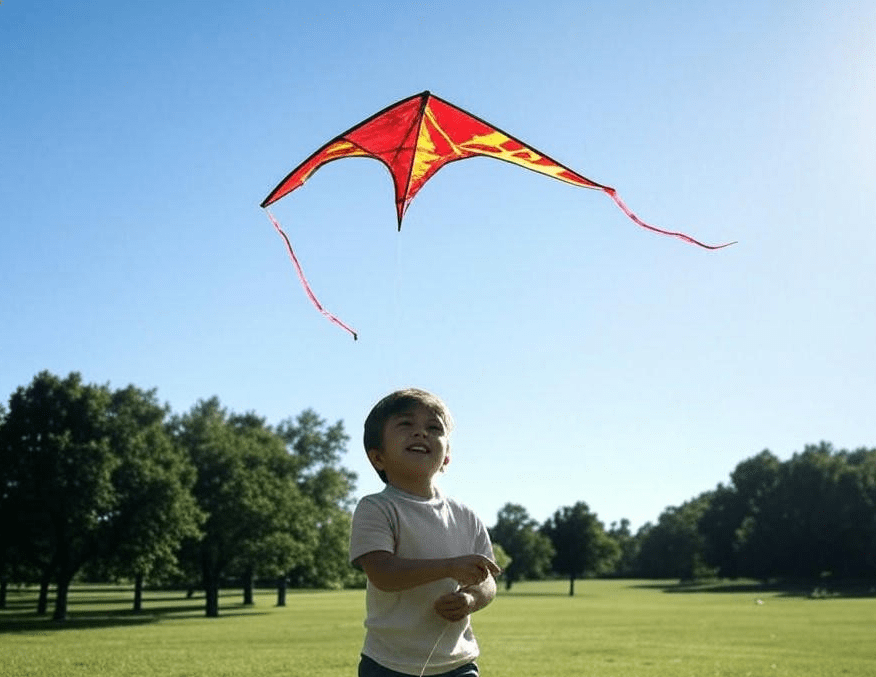
Kites. You flew one as a kid—string, wind, a wobbly dance in the sky. Simple fun, right? Nope. These flimsy flyers have a royal past, ruling wars, weather, and big ideas. From ancient battles to Ben Franklin’s lightning bolt, kites punched above their weight. How’d they soar so high? Let’s tug the string and meet the forgotten kings of the air.
War Wings
Kites started big—China, 500 BCE. Legend says General Han Hsin flew one to measure enemy walls, winning a siege. By the 1200s, they’re signal flags—red for “attack,” white for “hold.” Japan’s samurai used them too, hoisting archers (briefly—ouch). Kites were spies, scouts, and messengers—war tech before drones.
In 1752, Ben Franklin’s kite snagged lightning, proving it’s electricity. No shock (he was smart), but it sparked science—literally. Kites weren’t just toys; they were tactical.
Weather Watchers
Kites ruled the skies for meteorology. In the 1700s, scientists strapped thermometers to them, chasing temp data aloft. By the 1890s, U.S. Weather Bureau kites hauled barometers 10,000 feet up—higher than balloons then. A 1900 flight hit 14,000 feet, snagging wind and cloud stats. Planes stole the gig later, but kites were the OG weather kings.
They’re tough too—box kites, stable in gusts, carried gear when balloons popped. It’s low-tech grit meeting high-sky dreams.
Invention Boosters
Kites birthed flight. The Wright brothers tested wing shapes with them before Kitty Hawk—kites were their wind tunnel. In 1899, their kite lifted off, proving lift beats drag. Gliders, then planes, owe them a nod.
Even today, kites pull—powering ships with giant sails or generating wind energy. They’re not relics; they’re pioneers.
Kings Reborn
Kites shaped wars, weather, and wings—quiet royalty of the air. Next time you fly one, feel the history. It’s not just string and cloth—it’s a king reclaiming the sky.

Leave a comment