Blog

  • Navigating Menopause: A Guide to Symptoms and Solutions

    Menopause, marking the end of menstrual cycles, typically occurs between ages 45 and 55. It’s a natural transition, but symptoms like hot flashes, night sweats, and mood swings can feel overwhelming. Understanding these changes and adopting evidence-based strategies can make this phase more manageable and empowering.

    Hot flashes, sudden waves of heat, affect up to 75% of women. To cope, dress in layers, keep your bedroom cool, and avoid triggers like spicy foods or caffeine. Night sweats, which disrupt sleep, can be eased with breathable bedding and relaxation techniques before bed. For persistent symptoms, consult a doctor about hormone replacement therapy (HRT), which balances estrogen levels but requires careful consideration of risks.

    Mood swings and anxiety often stem from hormonal fluctuations and sleep disruptions. Regular exercise, like yoga or brisk walking, boosts endorphins and stabilizes mood. Mindfulness practices, such as meditation, reduce stress, while therapy can help navigate emotional challenges. Building a support network—friends, family, or menopause groups—also fosters resilience.

    Bone health becomes critical as estrogen decline increases osteoporosis risk. Weight-bearing exercises like strength training, combined with calcium (1,200 mg daily) and vitamin D (800 IU), support bone density. Regular screenings, like DEXA scans, catch early bone loss. Heart health is another focus, as menopause raises cardiovascular risks. A diet rich in fruits, vegetables, and whole grains, paired with moderate exercise, keeps cholesterol and blood pressure in check.

    Sleep issues, common during menopause, improve with consistent routines. Limit screen time, avoid heavy meals at night, and try herbal teas like chamomile. For severe insomnia, discuss options like cognitive behavioral therapy with your doctor.

    Menopause is a time to prioritize self-care. Regular checkups, open conversations with healthcare providers, and small lifestyle tweaks can transform this transition into a period of growth. Embrace this new chapter with confidence and proactive health choices.

  • The Power of Cycle Tracking: Understanding Your Menstrual Health

    Tracking your menstrual cycle is more than just marking dates on a calendar—it’s a window into your hormonal and overall health. For women, understanding cycle patterns can reveal insights about fertility, mood fluctuations, and even underlying conditions like polycystic ovary syndrome (PCOS). By logging symptoms, you can identify irregularities and make informed decisions about your well-being.

    The menstrual cycle, typically 21 to 35 days, involves hormonal shifts that affect energy, mood, and physical health. Apps like Clue or Flo simplify tracking by allowing you to record period dates, flow intensity, cramps, and emotional changes. Over time, these apps can predict ovulation, helping with family planning or identifying fertile windows. For those not trying to conceive, tracking can highlight issues like irregular cycles, which may signal thyroid disorders or stress.

    Beyond apps, a simple journal works too. Note symptoms like bloating, fatigue, or headaches alongside lifestyle factors like diet or exercise. This data can be invaluable during doctor visits, especially if you suspect conditions like endometriosis. For example, heavy bleeding or severe pain might prompt earlier screenings.

    Cycle tracking also empowers lifestyle adjustments. Notice energy dips mid-cycle? Plan lighter workouts. Mood swings before your period? Prioritize self-care. Nutrition plays a role too—iron-rich foods like spinach can combat fatigue during heavy flows, while magnesium may ease cramps.

    However, tracking isn’t just about spotting problems. It’s about celebrating your body’s rhythm. Understanding your cycle fosters body literacy, helping you advocate for your health. Share your data with healthcare providers to tailor treatments, whether for contraception or fertility support. Start today with a notebook or app, and take control of your menstrual health. It’s a small step with big rewards for your physical and emotional well-being.

  • The Laughing Clouds: Can Weather Have a Personality?

    The Laughing Clouds: Can Weather Have a Personality?

    By EBMOmniScope

    Ever looked up at the sky and felt like it was talking to you? A sunny day winks like a cheerful friend, a thunderstorm growls like a grumpy neighbor, and a foggy morning whispers secrets like a shy poet. We’ve all given weather human traits—calling a breeze “gentle” or a downpour “angry”—but what if the sky really does have a personality? Not in a woo-woo way, but in how it acts, shifts, and surprises us. Can clouds laugh, sulk, or dance? Let’s chase the wind, peek at the science, and see if the weather’s got more character than we think.

    The Sky’s Many Moods

    Weather’s never boring—it’s a drama queen. One minute it’s all blue skies and cotton-candy clouds, the next it’s hurling hail like a tantrum. Meteorologists might boil it down to pressure systems and humidity, but to us regular folks, it feels alive. A warm spring day lifts your spirits like a hug. A gray drizzle makes you want to curl up with tea and a book. And when thunder rumbles, it’s hard not to imagine the clouds arguing up there.

    This isn’t just poetic fluff—our brains are wired for it. Psychologists call it anthropomorphism: we slap human traits on non-human things to make sense of them. Ancient cultures did it big-time, giving us wind gods like Aeolus or rain deities like Tlaloc. Even today, we name hurricanes—Hurricane Katrina didn’t just hit; she raged. So, maybe the weather’s personality isn’t in the clouds themselves, but in how we see them. Or is it?

    Clouds with Attitude

    Let’s meet the cast. Cumulus clouds—those puffy, white ones—look like they’re skipping across the sky, carefree and playful. They’re the optimists, popping up on clear days, promising picnics and kite-flying. Scientists say they form when warm air rises and cools, but to us, they’re the sky’s way of smiling.

    Then there’s cumulonimbus—the towering, anvil-shaped bruisers. These are the drama kings, brooding with dark bases and sparking lightning like they’re mad at the world. They’re born from unstable air, packing thunder, rain, and sometimes tornadoes. When they roll in, it’s like the weather’s throwing a fit—loud, messy, and impossible to ignore.

    Stratus clouds? They’re the wallflowers. Flat, gray, and spread out, they hover low, blanketing the sky in a sulky haze. They don’t flash or roar—just drip a quiet, stubborn rain. And cirrus clouds, those wispy, feather-like streaks? They’re the dreamers, floating high and aloof, hinting at change but too chill to make a fuss.

    Each type acts differently, shaped by temperature, moisture, and wind. It’s physics, sure—but it’s hard not to see sass, shyness, or swagger in how they show up.

    The Wind’s Wild Voice

    If clouds are the face of weather, wind’s its voice. A soft breeze rustles leaves like a giggle, while a gale howls like it’s got a grudge. In Scotland, they call fierce winds “blawin’ a hoolie”—sounds like a party crasher, right? Wind’s personality shifts with its speed and source. A warm sirocco from the Sahara feels exotic and restless; a cold polar blast bites like a scolding teacher.

    Wind even talks to itself. Ever heard it whistle through a window crack or moan around a corner? That’s air vibrating as it squeezes past obstacles—simple acoustics, but it gives each gust a tone. In the desert, it might hum over dunes (yep, like our singing sand!). In a storm, it roars. It’s not just moving air; it’s got vibes.

    When Weather Plays Pranks

    Sometimes the sky seems to mess with us, like it’s got a sense of humor. Take “cloudbursts”—sudden, insane downpours that drench you in seconds. One minute you’re dry, the next you’re a soggy meme. Or how about “thundersnow”? It’s rare, but when snow and lightning team up, it’s like the weather’s showing off its weirdest trick.

    Then there’s the “laughing clouds” idea. In some places, like Australia’s Outback, people swear they’ve heard storms make a chuckling sound. Scientists say it’s probably thunder echoing off hills, but locals call it the sky having a laugh. Even rainbows feel cheeky—popping out after a storm like a “gotcha” from nature. Weather loves a plot twist, and we’re the punchline.

    The Science of Sky Stories

    Okay, let’s get nerdy. Weather’s “personality” comes from chaos—yep, chaos theory. Tiny changes, like a butterfly flapping its wings (or a kid sneezing in Kansas), can ripple into big shifts, like a hurricane or a heatwave. That unpredictability makes it feel alive. One day it’s sunny, the next it’s sulking with fog. Meteorologists use supercomputers to guess its next move, but even they admit: the sky’s a wild card.

    Temperature’s the director here. Warm air rises, cold air sinks, and that dance spins up everything from breezes to blizzards. Add water vapor—clouds’ building blocks—and you’ve got a script. High pressure brings calm, clear days (the weather’s chill side). Low pressure stirs up storms (its moody phase). It’s all connected, like a soap opera with no end.

    Why We Feel the Weather’s Mood

    Here’s the kicker: weather doesn’t just seem personal—it gets personal. Studies show it tweaks our brains. Sunshine boosts serotonin, making us peppy. Rainy days can tank our mood—hello, seasonal affective disorder. A 2018 study found people tweet happier stuff on clear days and grumpier rants when it’s cloudy. The sky’s not just up there; it’s in us.

    And sound plays a role. Rain tapping on a roof soothes us—white noise with a cozy twist. Thunder rattles our nerves, triggering a primal “uh-oh” reflex. Wind whistling? It’s eerie enough to star in a ghost story. Weather’s got a soundtrack, and we’re tuned in whether we like it or not.

    Tales from the Sky

    Cultures have long seen personality in weather. In Japan, the wind god Fujin’s a wild guy with a bag of gusts. Norse myths gave us Thor, swinging his hammer to make thunder. Even today, sailors say a stormy sea’s “angry” or a calm one’s “kind.” We’ve been writing the sky’s character arc for millennia.

    My favorite? The Irish legend of the “laughing clouds.” On rare, stormy nights, some say the clouds giggle as they scatter rain over the hills. It’s probably just wind and echoes, but it’s fun to imagine them up there, cracking jokes at our expense—maybe about our soggy socks.

    Does It Really Have a Soul?

    So, can weather have a personality? Not literally—no clouds are plotting to ruin your barbecue. But its patterns, sounds, and surprises give it a vibe we can’t ignore. Science says it’s air, water, and heat doing their thing. Our hearts say it’s more—a cast of characters playing out daily dramas overhead.

    Next time you step outside, look up. Is the sky flirting with a golden sunset? Pouting with a drizzle? Or laughing with a gust that steals your hat? It’s not just weather—it’s a story, and you’re in it. Maybe the clouds don’t care, but they sure act like they do. And that’s enough to keep us watching, wondering, and maybe even laughing back.


  • The Whispering Walls: How Buildings Talk Through Sound and Vibration

    The Whispering Walls: How Buildings Talk Through Sound and Vibration

    By EBMOmniScope

    Walls don’t talk—except they do. Creaks, hums, echoes—buildings chatter if you listen. It’s not ghosts (usually); it’s sound and vibration spilling secrets. How do they do it? What’s the story? Let’s tune into the whispering walls and hear what your house—or the one next door—is saying.

    The Sound Source

    Buildings buzz. Wind shakes windows—vibrations hum low. A 2020 study says wood frames groan at 10-20 hertz as they flex. Pipes clank, heat ticks—metal expands, contracts. Footsteps thump—floors bounce sound like drums. It’s physics: stuff moves, air wiggles, you hear.

    Echoes play too. Hard walls bounce voices—cathedrals boom for this. A 2019 test found curved domes “whisper”—sound travels far, clear. Ever hear a convo across a room? Walls snitched.

    The Vibe Life

    Vibrations spill more. Trains rumble—walls shake miles off, per a 2021 paper. Old houses creak—settling or ghosts? Science says timber shifts with moisture. Skyscrapers sway—wind’s dance, safe but eerie.

    They eavesdrop too. A 2020 experiment bounced lasers off glass—vibes turned to words. Spies love it; your walls might too.

    What They Say

    Walls whisper weather, wear, even history—nails from 1800s sing different. Next creak, listen. It’s not silence—it’s a building’s heartbeat.

  • The Science of Goosebumps: Why Your Skin Crawls and What It Means

    The Science of Goosebumps: Why Your Skin Crawls and What It Means

    By EBMOmniScope

    Goosebumps. That shiver when it’s cold, a song hits deep, or something spooks you—skin prickling like a plucked chicken. Why does it happen? What’s your body saying? It’s a weird little reflex with big roots, from survival to feels. Let’s peel back the science and see why your skin crawls—and what it’s whispering.

    The Bump Trigger

    Goosebumps come from tiny muscles—arrector pili—under your skin. They tug hairs up when they flex. Cold? They trap air, warming you—fur’s ghost in us hairless apes. A 2019 study says it’s adrenaline—fight-or-flight juice—kicking them on. Fear, awe, even music spike it too.

    A 2020 test played chills-inducing tunes—20% got bumps. It’s your nervous system vibing, no thermostat needed.

    The Animal Echo

    We’re not alone—cats puff up, porcupines quill. It’s old—millions of years—meant to scare foes or insulate. A 2021 paper found goosebumps regrow hair in mice—stem cells wake up. In us? It’s vestigial, like tailbones, but still chatty.

    The Feel Factor

    Why music or a jump scare? Your brain’s limbic system—emotion HQ—talks to your skin. A 2019 study says it’s empathy too—seeing bumps can spark yours. It’s connection, raw and wordless.

    Skin’s Story Goosebumps mean you’re alive—cold, thrilled, or spooked. Next chill, enjoy it. Your skin’s got tales, and it’s telling them loud.

  • The Ghost in Your Wi-Fi: How Invisible Waves Connect Us—and Spook Us

    The Ghost in Your Wi-Fi: How Invisible Waves Connect Us—and Spook Us

    By EBMOmniScope

    Wi-Fi. It’s invisible, everywhere, and keeps your Netflix rolling. But ever think how wild it is? Waves zip through walls, linking us to the world—yet they’re silent, unseen, a little ghostly. How do they work? Why do they creep us out sometimes? Let’s haunt the airwaves and uncover the magic—and mischief—of Wi-Fi.

    The Wave Whisper

    Wi-Fi’s radio waves—electromagnetic vibes at 2.4 or 5 gigahertz. Your router hums them out, a signal your phone catches like a net. A 2020 study says they travel 300 million meters a second—light speed—but bounce off metal, weaken through brick. That’s why your signal drops in the basement—walls play gatekeeper.

    They carry data—zeros and ones—in patterns. More waves, more info, per a 2021 paper. It’s a ghost chat, constant and quiet, until your Zoom lags.

    The Spooky Side

    No sound, no glow—Wi-Fi’s a phantom. Ever feel watched with no one around? A 2019 survey found 20% of folks get uneasy about “waves everywhere.” Sci-fi doesn’t help—stories of mind-reading signals (nope, not real). And those “Wi-Fi allergies”? A 2020 study says it’s psychosomatic—fear, not frequencies.

    Yet it’s usefully creepy. Researchers track movement with Wi-Fi—waves shift when you walk through. A 2021 test mapped rooms this way—Big Brother vibes, but no cameras.

    The Connection Kings

    Wi-Fi’s ghosts bind us—billions online, unseen. Next time it loads your feed, nod at the air. It’s not haunting—it’s helping, one invisible wave at a time.

  • Top 30 Child-Friendly Restaurants in London

    Subscribe to continue reading

    Become a paid subscriber to get access to the rest of this post and other exclusive content.

  • Why Knees Pop: The Odd Noises Your Body Makes, Explained with a Grin

    Why Knees Pop: The Odd Noises Your Body Makes, Explained with a Grin

    By EBMOmniScope

    Pop. Crack. Snap. Your knees sound like a breakfast cereal half the time—stand up, squat down, and there it goes again. It’s weird, sometimes loud, and maybe a little embarrassing in a quiet room. Why’s your body playing percussion? Is it bad? Let’s crack into the science of those odd noises with a grin—no doctor’s note required.

    The Knee Symphony

    Your knees are busy—bones, cartilage, ligaments, all sliding around. That pop? It’s usually gas bubbles. Joints have synovial fluid, a slick lube with tiny air pockets. Bend your knee, and pressure shifts—those bubbles collapse, making a pop. A 2019 study watched it live with MRI: tiny voids snap shut in 0.01 seconds. It’s not your bones grinding—it’s a mini bubble burst.

    Cracks might be tendons snapping back—like a rubber band over bone. Ever hear it climbing stairs? That’s your kneecap’s crew settling in. It’s normal, loud, and harmless.

    When It’s Not Just Noise

    Sometimes it’s creaky—think Rice Krispies. That’s cartilage wearing down, maybe arthritis if it hurts. A 2020 paper says rough surfaces rub, grinding out sound. No pain? No panic. But if it’s a loud snap with a wince, ligaments might be talking—see a doc.

    Why Us?

    We’re built noisy. Evolution gave us flexible joints—great for running from lions, not so quiet. Age amps it—less fluid, more pops. A 2021 survey found 70% of folks over 40 hear it. Kids too, though—growth stretches stuff. It’s universal, from toddlers to gramps.

    Laugh at the Pop

    Knees pop because they’re alive—gas, tendons, life in motion. Next time yours chime in, smirk. It’s your body’s quirky soundtrack, playing just for you.

  • The Revealer of secrets, The conveyor of all wisdom.

    What gives you direction in life?

    Imagine standing at a crossroads, the kind where every path looks promising yet none feel certain. Some people charge forward on a hunch, others follow the crowd, and many just freeze, overwhelmed by confusion. But what if there was a voice, clear and steady, whispering behind you, “This is the way; walk in it”? That’s the promise of Isaiah 30:21 (AMPC), a divine assurance that God doesn’t want you stumbling through life. He’s designed you for success—spiritually, emotionally, in every way—and He’s given you the ultimate guide to get there: the Holy Spirit.

    Picture this: you’re not meant to guess your way through decisions or chase fleeting feelings. God’s plan is far better. He’s placed His Spirit within you, a constant companion who speaks truth when the world screams chaos. Jesus Himself promised this in John 16:13-14 (KJVS), saying the Spirit of truth would guide you into all truth, revealing not just the next step but things yet to come. This isn’t some vague spiritual nudge; it’s precise, powerful direction that glorifies Jesus by unveiling His will for your life. In John 14:25-26 (AMPC), Jesus calls the Holy Spirit the Comforter, Counselor, Helper—your Advocate and Strengthener—who teaches you everything and reminds you of God’s Word when you need it most. That’s not just guidance; it’s a divine partnership.

    Now, the world loves to flaunt its own wisdom—strategies, trends, self-help hacks. But 1 Corinthians 3:19-20 (AMPC) pulls no punches: this so-called wisdom is foolishness to God. The plans people praise as brilliant often crumble under scrutiny, because human reasoning alone is futile without divine insight. God sees through the cleverness, and He’s offering something infinitely better. As 1 Corinthians 3:21 (KJVS) declares, “All things are yours.” You don’t need to scramble for the world’s scraps when God’s abundance is already yours through Christ.

    Here’s where it gets exciting: the Holy Spirit doesn’t just point you in the right direction; He reveals God’s secrets. 1 Corinthians 2:11-13 (KJVS) says no one knows God’s thoughts except His Spirit, and as believers, we’ve received that Spirit to understand the things freely given to us. These aren’t just nice ideas—they’re divine blueprints for your life. When you speak, pray, or declare God’s truth, you’re tapping into His wisdom, taught by the Holy Spirit Himself. It’s like having the ultimate insider knowledge, far beyond anything the world can offer.

    I know what some of you are thinking: “This sounds too good to be true.” That’s the world talking, the same voice that dismisses God’s truth as nonsense. 1 Corinthians 2:14 (KJVS) explains why: the natural mind can’t grasp spiritual realities—they seem foolish because they’re discerned only by the Spirit. But for those who’ve welcomed the Holy Spirit, this isn’t fantasy; it’s reality. He’s the voice behind you, saying, “Go here!”—and His direction never fails.

    So, how do you live this out? It starts with leaning into the Holy Spirit. Pray for ears to hear His voice. Dive into Scripture, where He’ll remind you of God’s promises. When He prompts you, trust and act, even if the path looks daunting. And above all, reject the world’s flimsy logic. The Holy Spirit is your guide, ready to lead you into a life of purpose and victory.

    God didn’t create you to wander or wonder. He’s given you the Holy Spirit to unlock His secrets and guide your every step. Stop chasing hunches or copying the crowd. Listen for that voice behind you, the one that says, “This is the way.”

  • The Day the Stars Fell: Real Tales of Meteor Showers That Changed Lives

    The Day the Stars Fell: Real Tales of Meteor Showers That Changed Lives

    By EBMOmniScope

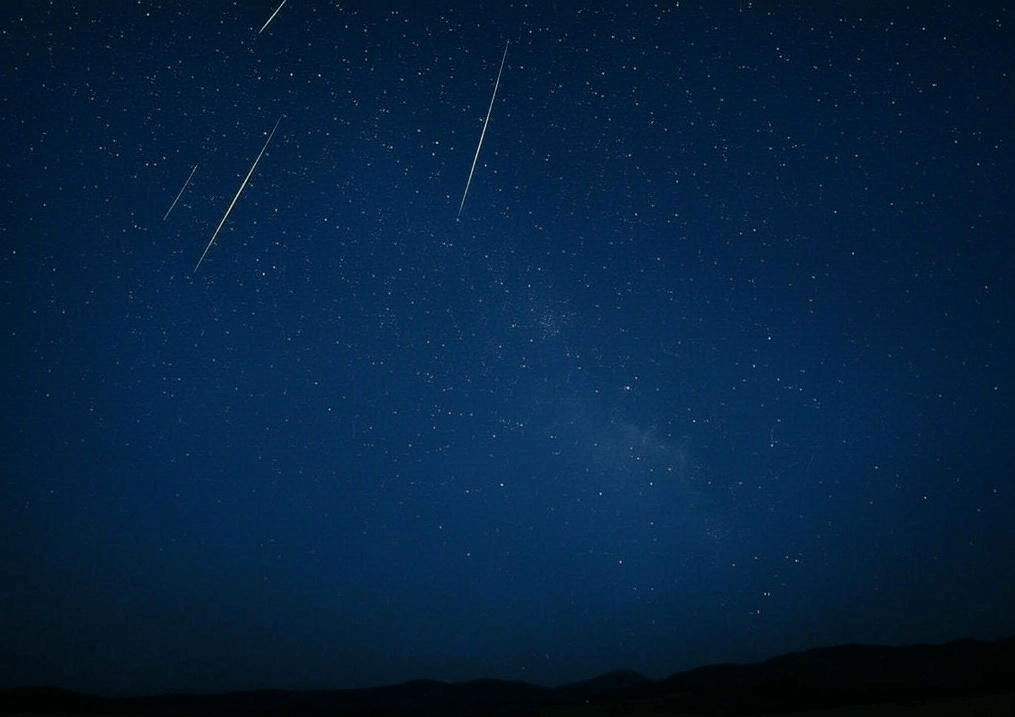
    Meteor showers—sky fireworks, rocks raining from space. Most just dazzle, but some rewrite history. From panic to prophecy, these starry falls shook people up. What happened? How’d they shift lives? Let’s chase the tales of when the stars fell and left more than dust.

    The Leonids, 1833

    November 12, 1833—North America lit up. Meteors streaked at 100,000 an hour—sky on fire. A 2019 study says it was comet Tempel-Tuttle’s debris, peaking big. Folks thought the world was ending—prayers, riots. Slaves in the South saw freedom’s sign; it sparked escapes. Science woke up too—meteor showers got real.

    The Tunguska Blast, 1908

    June 30, 1908—Siberia boomed. A meteor exploded mid-air, flattening 800 square miles of forest. No crater, just chaos—20 megatons, per a 2020 estimate. Locals thought gods fought; scientists still debate—comet or asteroid? It’s the blast that rewrote “boom.”

    The Chelyabinsk Strike, 2013

    February 15, 2013—Russia’s sky cracked. A 20-meter rock blew up, shattering windows, injuring 1,500. Dashcams caught it—viral proof. A 2021 study says it was a sneaky space chunk, 500 kilotons strong. It scared folks into tracking near-Earth rocks harder.

    Starry Shifts

    When stars fall, they don’t just shine—they shake. Next shower you catch, wonder: will this one rewrite your sky?

OmniScope

"Welcome to OmniScope—your one-stop hub for a pulsating mix of topics! From Christianity and cutting-edge technology to health, politics, luxury cars, and stunning home designs, we cover it all. Educative, enjoyable, and open for advertisements, OmniScope delivers diverse insights to inspire and inform. Dive in and explore the scope of everything that matters!"

Skip to content ↓