Pop. Crack. Snap. Your knees sound like a breakfast cereal half the time—stand up, squat down, and there it goes again. It’s weird, sometimes loud, and maybe a little embarrassing in a quiet room. Why’s your body playing percussion? Is it bad? Let’s crack into the science of those odd noises with a grin—no doctor’s note required.
The Knee Symphony
Your knees are busy—bones, cartilage, ligaments, all sliding around. That pop? It’s usually gas bubbles. Joints have synovial fluid, a slick lube with tiny air pockets. Bend your knee, and pressure shifts—those bubbles collapse, making a pop. A 2019 study watched it live with MRI: tiny voids snap shut in 0.01 seconds. It’s not your bones grinding—it’s a mini bubble burst.
Cracks might be tendons snapping back—like a rubber band over bone. Ever hear it climbing stairs? That’s your kneecap’s crew settling in. It’s normal, loud, and harmless.
When It’s Not Just Noise
Sometimes it’s creaky—think Rice Krispies. That’s cartilage wearing down, maybe arthritis if it hurts. A 2020 paper says rough surfaces rub, grinding out sound. No pain? No panic. But if it’s a loud snap with a wince, ligaments might be talking—see a doc.
Why Us?
We’re built noisy. Evolution gave us flexible joints—great for running from lions, not so quiet. Age amps it—less fluid, more pops. A 2021 survey found 70% of folks over 40 hear it. Kids too, though—growth stretches stuff. It’s universal, from toddlers to gramps.
Laugh at the Pop
Knees pop because they’re alive—gas, tendons, life in motion. Next time yours chime in, smirk. It’s your body’s quirky soundtrack, playing just for you.
Imagine standing at a crossroads, the kind where every path looks promising yet none feel certain. Some people charge forward on a hunch, others follow the crowd, and many just freeze, overwhelmed by confusion. But what if there was a voice, clear and steady, whispering behind you, “This is the way; walk in it”? That’s the promise of Isaiah 30:21 (AMPC), a divine assurance that God doesn’t want you stumbling through life. He’s designed you for success—spiritually, emotionally, in every way—and He’s given you the ultimate guide to get there: the Holy Spirit.
Picture this: you’re not meant to guess your way through decisions or chase fleeting feelings. God’s plan is far better. He’s placed His Spirit within you, a constant companion who speaks truth when the world screams chaos. Jesus Himself promised this in John 16:13-14 (KJVS), saying the Spirit of truth would guide you into all truth, revealing not just the next step but things yet to come. This isn’t some vague spiritual nudge; it’s precise, powerful direction that glorifies Jesus by unveiling His will for your life. In John 14:25-26 (AMPC), Jesus calls the Holy Spirit the Comforter, Counselor, Helper—your Advocate and Strengthener—who teaches you everything and reminds you of God’s Word when you need it most. That’s not just guidance; it’s a divine partnership.
Now, the world loves to flaunt its own wisdom—strategies, trends, self-help hacks. But 1 Corinthians 3:19-20 (AMPC) pulls no punches: this so-called wisdom is foolishness to God. The plans people praise as brilliant often crumble under scrutiny, because human reasoning alone is futile without divine insight. God sees through the cleverness, and He’s offering something infinitely better. As 1 Corinthians 3:21 (KJVS) declares, “All things are yours.” You don’t need to scramble for the world’s scraps when God’s abundance is already yours through Christ.
Here’s where it gets exciting: the Holy Spirit doesn’t just point you in the right direction; He reveals God’s secrets. 1 Corinthians 2:11-13 (KJVS) says no one knows God’s thoughts except His Spirit, and as believers, we’ve received that Spirit to understand the things freely given to us. These aren’t just nice ideas—they’re divine blueprints for your life. When you speak, pray, or declare God’s truth, you’re tapping into His wisdom, taught by the Holy Spirit Himself. It’s like having the ultimate insider knowledge, far beyond anything the world can offer.
I know what some of you are thinking: “This sounds too good to be true.” That’s the world talking, the same voice that dismisses God’s truth as nonsense. 1 Corinthians 2:14 (KJVS) explains why: the natural mind can’t grasp spiritual realities—they seem foolish because they’re discerned only by the Spirit. But for those who’ve welcomed the Holy Spirit, this isn’t fantasy; it’s reality. He’s the voice behind you, saying, “Go here!”—and His direction never fails.
So, how do you live this out? It starts with leaning into the Holy Spirit. Pray for ears to hear His voice. Dive into Scripture, where He’ll remind you of God’s promises. When He prompts you, trust and act, even if the path looks daunting. And above all, reject the world’s flimsy logic. The Holy Spirit is your guide, ready to lead you into a life of purpose and victory.
God didn’t create you to wander or wonder. He’s given you the Holy Spirit to unlock His secrets and guide your every step. Stop chasing hunches or copying the crowd. Listen for that voice behind you, the one that says, “This is the way.”
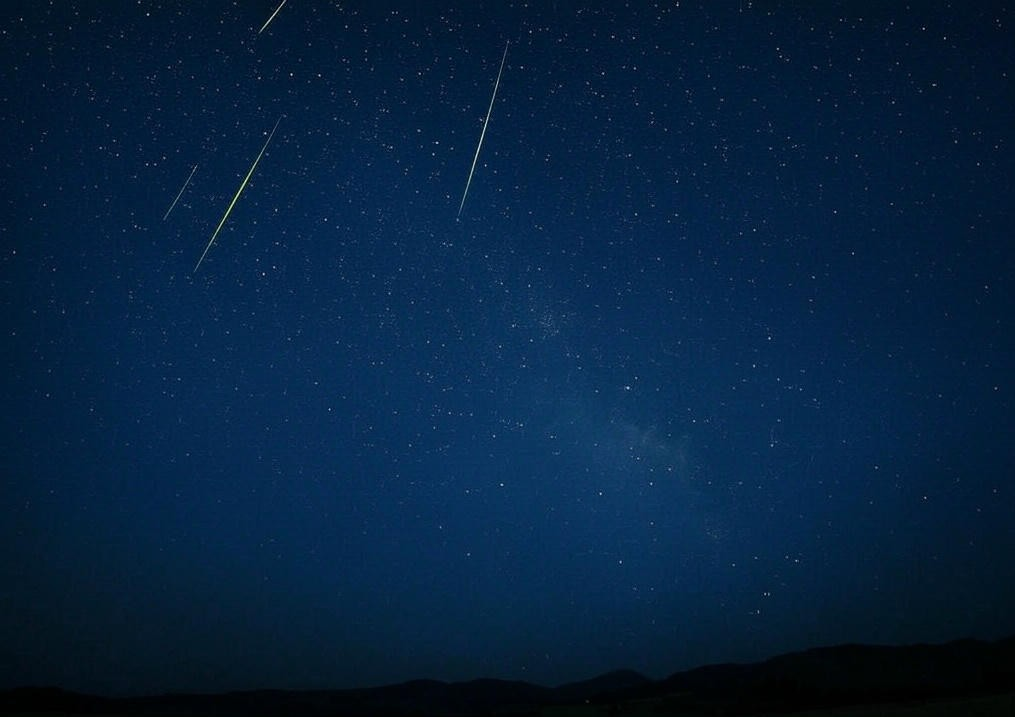
Meteor showers—sky fireworks, rocks raining from space. Most just dazzle, but some rewrite history. From panic to prophecy, these starry falls shook people up. What happened? How’d they shift lives? Let’s chase the tales of when the stars fell and left more than dust.
The Leonids, 1833
November 12, 1833—North America lit up. Meteors streaked at 100,000 an hour—sky on fire. A 2019 study says it was comet Tempel-Tuttle’s debris, peaking big. Folks thought the world was ending—prayers, riots. Slaves in the South saw freedom’s sign; it sparked escapes. Science woke up too—meteor showers got real.
The Tunguska Blast, 1908
June 30, 1908—Siberia boomed. A meteor exploded mid-air, flattening 800 square miles of forest. No crater, just chaos—20 megatons, per a 2020 estimate. Locals thought gods fought; scientists still debate—comet or asteroid? It’s the blast that rewrote “boom.”
The Chelyabinsk Strike, 2013
February 15, 2013—Russia’s sky cracked. A 20-meter rock blew up, shattering windows, injuring 1,500. Dashcams caught it—viral proof. A 2021 study says it was a sneaky space chunk, 500 kilotons strong. It scared folks into tracking near-Earth rocks harder.
Starry Shifts
When stars fall, they don’t just shine—they shake. Next shower you catch, wonder: will this one rewrite your sky?
Magnets. They stick to your fridge, spin your hard drive, and make compass needles dance. Simple, right? Nope—they’re tricksters. They pull, push, and power stuff in ways that feel like magic but are pure science. How do they mess with us? What’s their secret? Let’s stick to the mischief of magnets and see why they’re so amazing.
The Force Field
Magnets have poles—north, south. Like pulls, opposites grab. It’s a field— invisible lines of Iron filings show it—sprinkle some near a magnet, and they line up. A 2019 study says it’s electrons spinning in sync, making tiny forces. Two poles, endless fun.
The Sneaky Tricks
Magnets levitate trains—maglevs hit 300 mph, no wheels. They zap tumors—MRI machines map your insides with magnetic pulses. A 2020 test floated a frog with crazy-strong fields—safe, but wild. They’re not toys—they’re wizards.
Everyday Magic
Fridge magnets? Cute, but old news—China’s been at it since 200 BCE. Today, they run motors, speakers, even your phone’s compass. A 2021 paper says Earth’s a giant magnet—its core spins the field that guides us.
Magnet Mischief
Magnets trick and treat—pulling stunts from science labs to your kitchen. Next time one snaps shut, grin. It’s a force with flair.
Fish farm? Not humans—fish. Down in the deep, some species don’t just swim and eat—they grow their meals. We’re talking underwater gardeners, tending algae or critters like pros. How do they do it with fins? Why bother? Let’s dive in and meet the fish that farm—nature’s sneakiest cultivators.
The Damselfish Dynasty
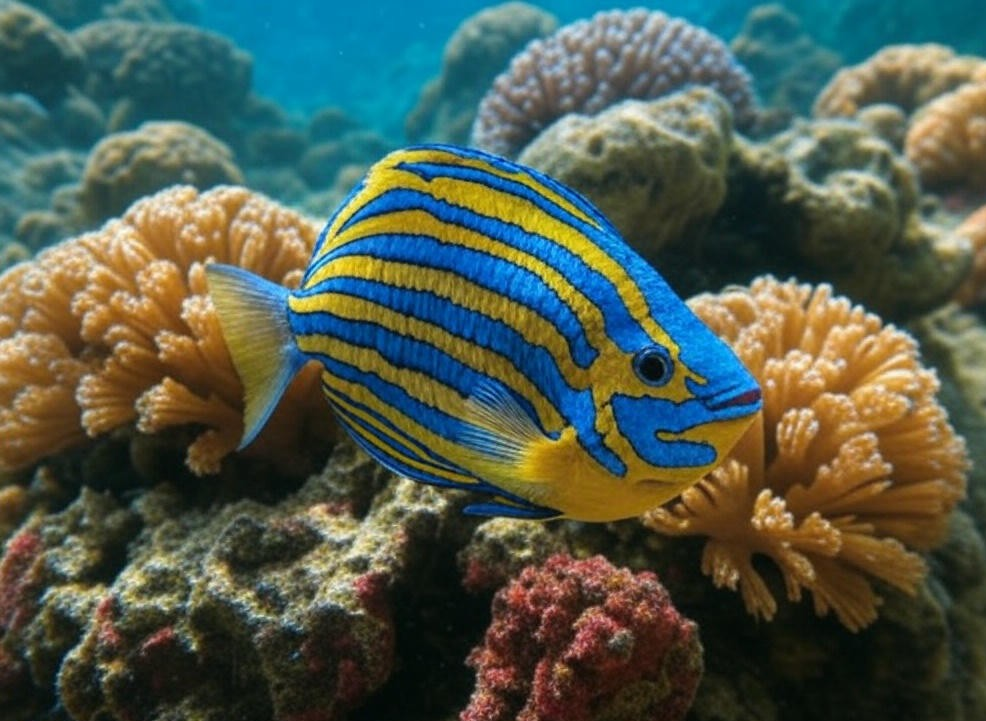
Meet the damselfish—small, feisty, reef-dwellers. Some, like the steely blue ones in the Pacific, farm algae. They pick a coral patch, chase off nibblers, and “weed” it—nipping bad algae, leaving the tasty stuff. A 2020 study found they boost their crop’s growth 30%—more food, less work. They even pee on it—nitrogen fertilizer, fish-style.
It’s territorial too. They’ll brawl with bigger fish to guard their plot. A 2019 paper clocked them defending 24/7—farmers with attitude.
The Jawfish Plot
Jawfish farm differently. These little diggers burrow in sand, piling rocks at the door. Why? Algae grows there—snack central. A 2021 study says they shift stones to catch light, feeding their green buffet. It’s low-key, but smart—home and pantry in one.
Why Farm?
Fish don’t stumble into this—it’s survival. Farming locks in food when currents slack. A 2020 report says damselfish farms thrive in overfished reefs—others starve, they feast. It’s not instinct; it’s strategy, passed down generations.
The Fish Future
These underwater gardeners don’t plow or plant—they adapt. Next time you snorkel, spot a damselfish. It’s not just swimming—it’s running a tiny, finned farm.
Static. It zaps your fingers, lifts your hair, and turns winter into a shock fest. One minute you’re fine, the next your sweater’s a crackling menace. What’s behind this electric mischief? Why does it love your hair—and hate your calm? Let’s spark up the science and uncover the hair-raising truth of static shocks.
The Charge Game
Static’s electricity without a wire. Rub a balloon on your head—hair stands up. Why? Electrons jump. Your hair’s neutral—equal positive and negative charges—but friction (rubbing) steals electrons from it, leaving it positive. The balloon’s negative now. Opposites attract, so hair reaches for the balloon. A 2019 study says dry hair’s a champ at this—less water, more charge.
Same deal with shocks. Shuffle on carpet, electrons pile on you. Touch a doorknob—zap!—they leap off, balancing things out. It’s 5,000 volts sometimes, but tiny current, so you’re fine—just jumpy.
Hair’s Big Moment
Why hair? It’s light and dry. Each strand charges up, repels its buddies (like charges push apart), and dances wild. A 2020 experiment clocked it: humidity drops, static spikes—winter’s prime time. Thick coats and hats? More rubbing, more chaos. Your head’s a static stage.
Clothes cling too—synthetic fibers hoard electrons, sticking to you. It’s not love; it’s physics.
Shock Stories
Static’s sneaky. Comb your hair, spark a light switch—ow! It’s worse in dry air—water grounds charge, but cold months suck moisture out. A 2018 paper says planes dodge static storms—lightning’s big brother. Even gas pumps warn you—static can ignite fumes (rare, but yikes).
It’s useful too. Printers use static to stick toner; air filters trap dust with it. Your zap’s a mini superpower.
Taming the Beast
Static’s a prankster—charges build, hair flies, shocks sting. Next time it strikes, laugh. It’s just electrons partying, and you’re the VIP.
Bubbles. They float, they pop, they shimmer—simple, right? Wrong. These fragile spheres are nature’s oddballs, bending rules and showing up everywhere, from soap suds to the cosmos. Why are they round? How do they pull off that rainbow trick? Let’s blow into the bubble universe and see why they’re the weirdest shape-shifters around.
The Sphere Secret
Bubbles love circles—or spheres, really. Drop soap in water, blow, and boom—perfect orbs. Why? Surface tension. Water molecules stick together, pulling tight like a team huddle. Add soap, and it weakens the grip just enough to stretch into a film. That film wants the smallest shape possible—less surface, less energy—and math says that’s a sphere. A 2018 study clocked it: spheres win every time, from 1-millimeter suds to giant ones you can stand in.
But they shift. Squish two together, and they flatten where they touch—hexagons in foam, like bee hives. It’s still tension, just juggling space. Bubbles don’t mess around—they’re geometry nerds.
The Rainbow Dance
Ever seen a bubble glow pink, green, blue? That’s light playing tricks. Bubble walls are thin—hundreds of nanometers—and light waves bounce off both sides. Some waves sync, some cancel, splitting white light into colors. A 2020 physics demo showed it shifts as the wall thins—evaporation’s the artist, painting swirls till it pops. It’s not magic—it’s interference, but it’s dazzling.
Bubbles Everywhere
Nature’s obsessed. Sea foam? Bubbles from waves and algae. Lava cools into bubble-pocked basalt—volcano breath trapped. Even your soda’s fizz is tiny CO2 spheres escaping. A 2019 study found plankton blow bubbles to float—life hacks from the deep. Up in space, some theorize the universe itself bubbled out of the Big Bang—cosmic suds still expanding.
They’re tough too. Freeze a bubble below -20°C, and it’s glass—strong till it shatters. Kids don’t know they’re holding nature’s wildest shape.
The Bubble Life Bubbles shift, shine, and surprise—from your sink to the stars. Next time you blow one, watch it. It’s not just air—it’s a tiny universe, flexing rules and popping with secrets.
OmniScope
"Welcome to OmniScope—your one-stop hub for a pulsating mix of topics! From Christianity and cutting-edge technology to health, politics, luxury cars, and stunning home designs, we cover it all. Educative, enjoyable, and open for advertisements, OmniScope delivers diverse insights to inspire and inform. Dive in and explore the scope of everything that matters!"