
Subscribe to continue reading
Subscribe to get access to the rest of this post and other subscriber-only content.

Subscribe to get access to the rest of this post and other subscriber-only content.

By EBMOmniScope
Fidget spinners. They hit in 2017 like a whirlwind—kids spun them, adults stole them, and teachers banned them. A simple toy: a bearing, some weights, a flick. Yet they spin forever (well, almost) and somehow chill us out. What’s the physics behind the twirl? Why’s it soothing? Let’s spin into the science and figure out why this little gadget gripped the world.
The Spin Secret
It’s all about momentum. A fidget spinner’s got a central bearing—usually ceramic or steel—surrounded by arms or lobes. Flick it, and those weights start moving. Newton’s first law kicks in: stuff in motion stays in motion unless stopped. Low friction in the bearing (thanks, lube and polish) means it barely slows. A good one spins 2-5 minutes—cheap ones poop out faster.
Angular momentum’s the star. The farther the weights are from the center, the more “oomph” they carry—think ice skaters pulling arms in to speed up. A 2018 study clocked spinners at 300 RPMs—fast enough to blur, slow enough to watch. Balance matters too; wobbly ones die quick.
Why So Long?
Air’s the enemy—drag tugs at the arms, sapping speed. But spinners are small and sleek, dodging much resistance. The bearing’s the real hero—less friction, more spin. Some fancy ones use magnetic levitation, cutting contact entirely. It’s physics flexing: minimize the brakes, maximize the ride.
The Calm Factor
Why’s it soothing? Your brain’s in on it. Spinning’s rhythmic—visual white noise. A 2019 study says repetitive motion drops cortisol, the stress hormone. Fidgeting also burns nervous energy—ADHD folks swear by it. The hum’s a bonus; bearings buzz at 50-100 hertz, a low purr that vibes with relaxation.
It’s not magic—it’s focus. Watching it spin pulls you out of your head, like a mini-meditation. No proof it “cures” anything, but it’s a chill pill you can pocket.
Spin On
Fidget spinners blend physics and feels—momentum meets mindfulness. Next time you flick one, you’re not just playing—you’re riding a tiny law of nature, calming your chaos one twirl at a time.

It means the love of Christ is a stumbling block for scientific knowledge, it cannot be explained by the mind, the way it (the love of Christ) operates bewilders explanations, it is irrational, it beats imagination!
God’s love is irrational, beyond logic, it completely bemuses any form of psychoanalysis, where you love the worst of the worst like you would love the best of the best…. Ephesians 3:19. There is no one who wouldn’t want to be shown irrational love; most of the time people condemn themselves 1st because they feel they are not befitting of the irrational love of God, or that God has condemned them regardless of what name you hide behind to avoid God and veil yourself from him whether Atheism, Agnosticism, Secularism, Humanism, Freethought, Skepticism, Naturalism, materialism, Existentialism, nontheism, apatheism or Ignosticism; he sees you right where you are! “Woman, where are they? Has no one condemned you?” “No one, sir,” she said. “Then neither do I condemn you,” Jesus declared. John 8:10-11
that God was reconciling the world to himself in Christ, not counting people’s sins against them. And he has committed to us the message of reconciliation. This is how to reconcile the world.

Life can be a whirlwind. Some days hit like a freight train, piling on demands, decisions, and deadlines. But when the sun sets and the world quiets down, I’ve crafted a sacred routine to unravel the tension, reconnect with what matters most, and recharge my soul. My unwind process isn’t just a checklist—it’s a vibrant, soul-stirring ritual that brings me back to life. Let me take you through it.

First stop: a hot shower. There’s something almost magical about stepping into that steamy cascade. The water doesn’t just wash away the day’s grit; it melts the mental clutter. As the heat seeps into my muscles, I feel the weight of emails, meetings, and to-dos swirl down the drain. It’s my reset button, a 15-minute sanctuary where I’m not a professional, a problem-solver, or anything but me, basking in the warmth. By the time I step out, I’m lighter, ready to embrace what comes next.
And what comes next is everything. I head straight for my favorite people: my wife and our two-year-old daughter. The moment I walk through the door, my little girl’s face lights up, and my heart does a somersault. I scoop her up, plant a big kiss on her cheek, and wrap her in a hug that feels like it could stop time. I miss her fiercely during the day—her giggles, her tiny hand grabbing mine, her boundless curiosity. Being apart makes these moments electric. My wife and I catch up, laugh, and soak in the chaos and beauty of parenting. Whether we’re building block towers or chasing our daughter around the living room, this time is pure joy, a reminder of the love that anchors me.
Once our daughter’s tucked in, I shift gears to recharge my spirit. I’ve been diving deep into my faith lately, and nothing lights me up like praying in tongues. It’s not just words—it’s a current, a connection to something bigger that surges through me. I feel alive, grounded, and untouchable. Then, I crack open my Bible to the book of Romans, my current obsession. Paul’s words hit like lightning bolts, challenging me to wrestle with grace, faith, and purpose. I scribble notes, pause to reflect, and let the truths sink in. It’s not just study—it’s a conversation with eternity.

Lately, I’ve been weaning off social media, and let me tell you, it’s liberating. The endless scroll of uninspiring posts, hot takes, and curated facades was draining my energy. Now, I’m reclaiming that time for what truly sparks joy. My favorite part of unwinding? Slipping into a dark room, alone, for hours of meditation. It’s not just sitting still—it’s diving into the deep end of my soul. Then I hear God in that stillness, I untangle my thoughts, listen to my heart, and find clarity. The world fades, and I’m left with peace, purpose, and a quiet strength that carries me into the next day.
This routine isn’t just how I unwind—it’s how I come alive. From the steamy solace of a shower to the electric joy of my daughter’s hug, from the fire of prayer to the stillness of meditation, every step is a deliberate choice to reconnect with what makes me whole. Demanding days don’t stand a chance against this. What’s your unwind ritual? Whatever it is, make it yours, make it vibrant, and let it light you up.

By EBMOmniScope
Plants look chill—swaying in the breeze, soaking up sun. But don’t be fooled: some are scrappers. They’ve got tricks to fend off bugs, beasts, and even us, honed over millions of years. Poison spines, sneaky traps, chemical warfare—these green warriors don’t mess around. How do they pull it off without muscles or teeth? Let’s root around and meet the plants that fight back.
The Sting Squad
Start with the classics: nettles and cacti. Stinging nettles pack hollow hairs—tiny needles—that jab you with histamine and itch juice. Brush one, and it’s like nature’s “back off” sign. Cacti? Their spines aren’t just decor—they’re armor, stabbing thirsty critters. Some even shoot barbs—looking at you, jumping cholla. It’s passive-aggressive defense, plant-style.
Then there’s the poison crew. Poison ivy’s oily urushiol triggers rashes so bad you’ll curse the day you touched it. A 2017 study says it’s evolved to deter mammals—us included. Foxglove looks pretty but hides digitalis—heart-stopping if you munch it. Plants don’t run; they hit hard.
Bug Busters
Insects love a leafy snack, but plants bite back. Tobacco plants pump nicotine—a natural bug zapper—when caterpillars chomp. A 2020 experiment showed they “smell” the attack via chemicals in bug spit, then crank the poison. Corn does it too, releasing scents that call wasps to eat the pests. It’s a green SOS—smart and savage.
Carnivorous plants flip the script. Venus flytraps snap shut in 0.1 seconds when bugs tickle their hairs—mechanics, not magic. Pitcher plants drown their prey in slippery, acid-filled cups. A 2019 study found some even mimic flowers to lure flies. They’re not waiting—they’re hunting.
Human Headaches
We’re not off the hook. Thorns snag us, sap blinds us—looking at you, manchineel tree, dubbed “little apple of death.” Its fruit burns your mouth; its rain-dripped sap blisters skin. Spanish explorers learned the hard way in the 1500s. Even roses prick us for picking them—nature’s “hands off” memo.
Some plants outsmart us long-term. Kudzu, the “vine that ate the South,” grows a foot a day, choking forests and roads. We brought it to the U.S. in 1876; now it’s winning. Plants don’t punch—they persist.
The Green Rebellion
Plants fight because they have to—rooted, they can’t flee. Their weapons? Chemistry, traps, and grit. Next time you prune or pluck, watch out—they might just fight back, quiet but fierce.

By EBMOmniScope
Rain’s got a voice. It taps on your roof, whispers in the trees, or roars in a storm—and it’s not just noise. Every drop’s a message from the sky, spilling secrets about where it came from and what’s brewing up there. Is it a gentle hello or a wild warning? You don’t need a PhD to crack it—just curiosity. Let’s decode the language of rain and hear what those wet little messengers are saying.
The Drop’s Journey
Raindrops start high—way high. Water vapor floats up, cools, and clumps into clouds. When those clumps get heavy, gravity says, “Down you go!” But not all drops are the same. Tiny ones drizzle from low, gray stratus clouds—think a soft mumble. Big, fat ones plummet from towering cumulonimbus, shouting with thunder. Size matters: a 2020 study clocked drizzle at 0.5 millimeters, storm drops at 5 millimeters—ten times beefier.
Their sound’s a clue too. Light rain patters like a shy knock; heavy rain drums like a rock concert. That’s speed and mass hitting surfaces—physics turning water into a beat.
What’s in the Message?
Rain’s chatty about the weather. A steady drip says, “Clouds are full, but chill.” Sudden gushes scream, “Storm’s here—buckle up!” Scientists listen too. Doppler radar tracks how fast drops fall, mapping wind and rain strength. A 2018 report showed big drops mean updrafts—air punching up, feeding a tempest. Small ones? The sky’s winding down.
Even the smell talks. That fresh “rain scent”? It’s bacteria spores kicked up by drops—geosmin, earthy and alive. Your nose catches the sky’s mood before your eyes do.
The Past in a Puddle
Rain’s a historian. Each drop grabs stuff on the way down—pollen, dust, smoke. A 2019 study found rain in Colorado carried Sahara sand—3,000 miles away! Old rain, trapped in ice cores, spills ancient tales: volcanic ash from 79 CE (hello, Pompeii) or carbon from coal fires. It’s like the sky’s texting us its diary.
Acid rain? That’s a grumpier note—sulfur from factories turning drops sour. It’s less common now, but it’s the sky scolding us for messy habits.
Hearing the Rain
Rain’s language shifts. A sprinkle invites you out; a downpour dares you to stay in. Next time it falls, listen. Is it chatting, singing, or yelling? It’s not just water—it’s the sky talking, and you’re fluent if you try.

By EBMOmniScope
Dust. It’s everywhere—on shelves, in sunbeams, up your nose. You swipe it away, but it’s back like a boomerang. Ever wonder where it comes from or why it floats like that? Dust isn’t just dirt—it’s a tiny traveler with a big story, from your couch to the cosmos. Let’s follow its dance and see what this fluffy nuisance is really up to.
Dust’s DNA
Dust’s a mishmash. Skin flakes (yep, you shed 30,000 a day), pet hair, pollen, fabric fuzz—your home’s a dust factory. Outside, it’s soil, smoke, even ocean salt blown inland. A 2021 study found a single speck can hold bits from 1,000 miles away. It’s not local—it’s global.
And it’s old. Some dust is meteorite crumbs—space rocks burning up, sprinkling Earth. You’re breathing stardust, literally.
The Floating Trick
Why’s dust so drifty? Size and weight. Most particles are 1-100 microns—smaller than a hair’s width. They’re light enough to ride air currents, stirred by your footsteps or a cracked window. Brownian motion—random molecular bumps—keeps them jiggling too. It’s a dance party you can’t see.
Sunbeams show it off. Light scatters off dust, making those golden rays. Without it, your room’s less magical (but cleaner).
The Journey Beyond
Dust doesn’t stay put. Wind hauls it across continents—Sahara sand dusts Europe yearly. It seeds clouds—water sticks to particles, sparking rain. A 2019 study says dust from Africa feeds the Amazon, dropping phosphorus for trees. Your sneeze might’ve started in Morocco.
Indoors, it’s a time capsule. Dust traps pollen from last spring, crumbs from last week. Scientists sift it to track climate or pollution—your bookshelf’s a history book.
Dust’s Big Moves
It’s small but mighty. Dust fertilized oceans in the Ice Age, growing plankton that cooled the planet. Today, it carries pollutants—or fights them, scrubbing air in tiny ways. Next time you dust, you’re not just cleaning—you’re remixing Earth’s story.

By EBMOmniScope
Lost socks. The laundry curse. You toss two in the washer, but only one comes out—where’d the other go? It’s a universal groaner, a riddle that’s spawned memes, rants, and wild theories. Is it gremlins? A sock Bermuda Triangle? Let’s sleuth it out with a grin and some science—because physics might just crack the case of the vanishing threads.
The Sock Stats
It’s real. A 2016 Samsung survey (yep, they cared) found Brits lose 1.3 socks a month—15 a year. Over a lifetime, that’s 1,200 socks per person. Multiply by millions, and we’re drowning in missing mates. They’re not in drawers or under beds—so where?
The Washer Vortex
Prime suspect: your washing machine. It’s a sock-eating beast. Small items like socks can slip into the drum’s gaps—those rubber seals or tiny holes. A 2018 study by appliance folks found socks wedged in there, soggy and forgotten. Physics backs it: water swirls fast (centrifugal force), flinging light stuff like socks to the edges, where they sneak out.
Dryers join the crime. Lint traps snag them, or they static-cling to sheets, tumbling into oblivion. Ever found a sock inside a pant leg? That’s physics too—electrostatic attraction gluing them together.
The Chaos Factor
Entropy’s in on it—nature’s love for disorder. Socks don’t pair up neatly; they scatter. One study says small, stretchy items are chaos magnets in a spin cycle—more likely to drift than a stiff towel. Add a crowded load, and it’s sock roulette.
And don’t rule out the floor. Socks fall behind machines or get kicked under furniture—gravity’s quiet assist. They’re not “lost” lost—just hiding where you won’t look.
The Fun Theories
Science aside, we love a laugh. Some say dryers are sock portals to Narnia. Others blame “sock gnomes” (thanks, South Park). A 2020 poll found 30% of people half-believe washers eat them. No proof, but it’s more fun than “stuck in the gasket.”
The Sock Solution
Where do they go? Washer guts, dryer tricks, or plain old chaos. Physics says they’re not teleporting—just slipping through cracks we miss. Next load, count ‘em in, count ‘em out. You might solve the mystery—or at least save a sock.

By EBMOmniScope
Sniff. What’s that? Fresh coffee? Wet dog? Your nose just clocked it before your eyes even tried. Smell’s the underdog of senses—quiet, weird, and way more powerful than we give it credit for. It can zap you back to grandma’s kitchen or warn you the milk’s gone rogue. How does it pull that off? Why’s it so sneaky-good? Let’s nose-dive into the science of scent and uncover its hidden superpowers.
The Smell Machine
Your nose is a marvel. Up there, behind your nostrils, sits a patch of tissue the size of a postage stamp—your olfactory epithelium. It’s packed with 10 million receptor cells, each sniffing for specific molecules. Inhale, and odor particles—say, from a pizza—float in, stick to those cells, and ping your brain: “Pepperoni alert!” It’s fast—faster than sight or sound—and runs 24/7.
Humans can detect over a trillion smells, a 2014 study found. Not just “rose” or “rain”—your nose picks up shades of scents, like a painter mixing colors. Dogs beat us (they’ve got 300 million receptors), but we’re no slouches. It’s a superpower we barely notice.
The Brain’s Backdoor
Smell’s got VIP access. Unlike sight or touch, which detour through your brain’s logic hub, scent bolts straight to the amygdala and hippocampus—emotion and memory central. One whiff of sunscreen, and you’re 10, building sandcastles. That’s why smells hit harder than photos. A 2020 study showed people recall scents from childhood better than sights—your nose is a time machine.
It’s primal too. Our ancestors sniffed for food, mates, danger. Today, it still warns you—smoke, gas, that funky trash. Your nose doesn’t mess around; it’s your quiet bodyguard.
The Weird Stuff
Smell’s full of quirks. Ever notice rain “smells” before it falls? That’s petrichor—oils from plants and soil kicked up by wind. Your nose catches it early, like a weather app with flair. Or how about pheromones? We don’t flirt like moths, but a 2017 study hints sweat might subtly sway who we vibe with. It’s not love potion—it’s sneakier.
And get this: you smell in stereo. Two nostrils, slightly offset, give your brain a 3D scent map. Sniff a flower, and you can tell if it’s left or right. Subtle, but slick.
Superpower Unlocked
Your nose does more than sniff. It tastes—half your flavor’s from smell (pinch your nose, and food’s blah). It heals—aromatherapy’s legit; lavender cuts stress, per a 2019 study. It even IDs people—babies know mom’s scent days after birth. You’ve got a superpower up there, and it’s been flexing since day one.
Next time you catch a whiff, don’t shrug it off. Your nose knows—more than you think.
By EBMOmniScope
Shadows are sneaky. They follow you around, stretch and shrink without a word, and vanish when the lights go out. We barely notice them, but these silent stalkers have been shaping our world forever—from telling time to fueling ghost stories. What’s their deal? How do they work their quiet magic? Let’s step into the shade and uncover the secret lives of shadows—part science, part wonder, all cool.
Shadows 101: The Basics
A shadow’s simple: light hits something, gets blocked, and leaves a dark patch. Sun, lamp, flashlight—same trick. The sharper the light, the crisper the shadow. Ever notice how moonlight makes fuzzier edges? That’s because the moon’s light scatters more. It’s physics, but it feels like art—your silhouette dancing on the wall, a tree’s outline swaying in the breeze.
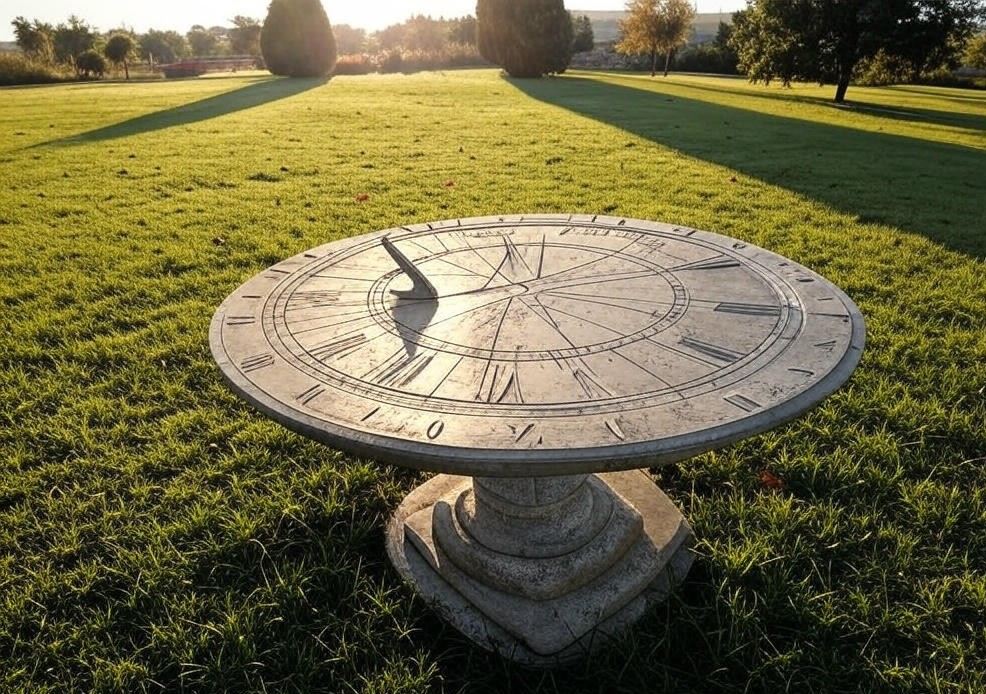
Shadows shift too. Morning sun stretches them long and lean; noon squashes them short. It’s the Earth spinning, tilting the light’s angle. Ancient folks clocked this—literally. Sundials, those stone timekeepers, used shadows to mark hours as far back as 1500 BCE in Egypt. No batteries, just the sun and a stick. Shadows weren’t just there—they were useful.
Timekeepers and Tricksters
Sundials ruled for centuries. Romans built giant ones, like the 100-foot Solarium Augusti, to track days and seasons. Shadows didn’t just tell time—they mapped the cosmos. Sailors used them to navigate, farmers to plant. Even today, a stick in the dirt can tell you when lunch is if you know the trick.
But shadows have a wild side. They twist reality. Ever seen your shadow look like a monster on a dark street? That’s light bending around you, stretching the truth. Old tales leaned into this—think Peter Pan’s runaway shadow or Plato’s cave, where shadows were all people knew of the world. They’re not just dark spots; they’re storytellers.
The Science of Spookiness
Why do shadows creep us out? Blame your brain. In dim light, it fills gaps—turning a coat rack’s shadow into a lurking figure. It’s a survival hack: better to jump at nothing than miss a real threat. Add a flickering candle, and shadows dance, feeding campfire tales of ghosts and ghouls. Science says it’s just light and angles, but try telling that to your pounding heart at 2 a.m.
Shadows play tricks in nature too. During a solar eclipse, the moon’s shadow races across Earth at 1,000 miles an hour, dropping day into night. “Shadow bands”—wavy lines—ripple on the ground as air bends the light. It’s eerie, like the planet’s holding its breath. No wonder ancient folks thought the sky was mad.
Shadows in the Spotlight
Artists love shadows. Painters like Caravaggio used them to pop faces out of gloom—chiaroscuro, they call it. Movies lean hard on them—think noir detectives or horror flicks where the shadow moves before the monster. Even shadow puppets, big in Asia for centuries, turn a blank wall into a stage. Shadows don’t just sit there—they perform.
Today, they’re high-tech too. Shadow mapping in video games makes 3D worlds feel real—every rock casting its shade. Architects use shadow studies to design buildings that catch light just right. Shadows aren’t old news; they’re still shaping how we see.
The Quiet Power
Shadows don’t shout, but they matter. They’ve timed our days, spooked our nights, and framed our art. Next time you spot yours trailing behind, give it a nod. It’s been around longer than you, telling tales and keeping secrets—one dark, stretchy step at a time.